Elderly Caregivers: In-Home Support Matched to Your Family
Vetted caregivers who provide companionship, meal preparation, daily assistance, and household support for your elderly family members. Serving families nationwide since 2011.
Background-Checked & Vetted
1,000+ Families Served
Since 2011
Replacement Guarantee
What Does a Caregiver Do?
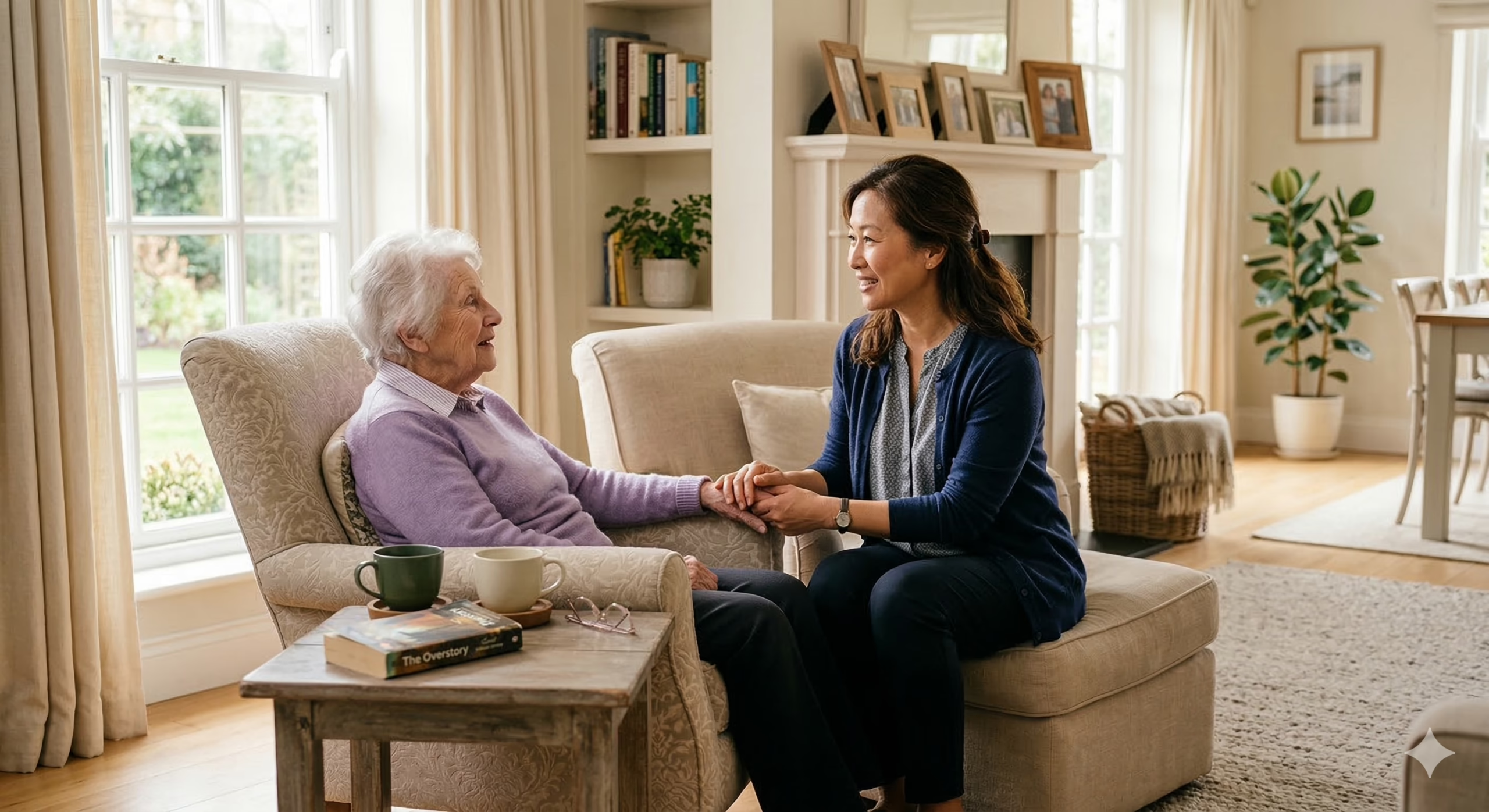
A caregiver provides ongoing, non-medical support to elderly family members who need help with daily living. This includes companionship, meal preparation, light housekeeping, errands, medication reminders, and mobility assistance. The role is not clinical — it is personal. A caregiver becomes a trusted part of the household, handling the daily responsibilities that allow your family member to remain comfortable, safe, and cared for at home. My Asian Nanny is a curated referral agency that matches families with vetted caregivers across the United States — placing professionals who understand not just the tasks involved, but how to build trust with the people they serve.
Why Families Hire a Caregiver
The decision to hire a caregiver usually starts with a quiet realization: the daily needs of an aging parent or grandparent have grown beyond what the family can manage alone. It is not a single event. It is the accumulation of small things — missed medications, skipped meals, a fall that could have been prevented, or the growing exhaustion of a son or daughter trying to hold everything together while working full time.
For adult children managing their own households and careers, the math becomes untenable. You cannot be in two places at once. A caregiver fills the gap — not by replacing the family, but by handling the daily work so the family can stay focused on the relationship rather than the logistics.
In multigenerational homes, the need is different but equally pressing. When grandparents live under the same roof as their children and grandchildren, the household demands multiply. Meals need to accommodate different dietary needs. Daily routines need to flex around school schedules, work hours, and medical appointments. A caregiver absorbs that complexity and keeps the household functioning without constant negotiation.
For families navigating a recovery period after a hospital stay or surgery, the need is more immediate. The weeks after discharge are high-risk for complications, and having a trained caregiver managing daily routines, meals, and mobility support during that window can make the difference between a smooth recovery and a readmission.
The families who hire caregivers are not giving up on their responsibilities. They are making sure the care happens — every day, without gaps.
What Our Caregivers Handle
The scope of care depends on your family. Some households need full-day, comprehensive support. Others need specific tasks handled reliably on a set schedule. Here is what our caregivers most commonly cover.
Companionship and Daily Living Support
Conversation, engagement, and genuine human connection. Assistance with mobility — getting in and out of chairs, walking through the home, navigating stairs safely. Help with personal routines like grooming, dressing, and bathing when needed. For elderly family members living alone or spending long stretches without company, this is not optional — it is essential for emotional and cognitive well-being.
Meal Preparation and Nutrition
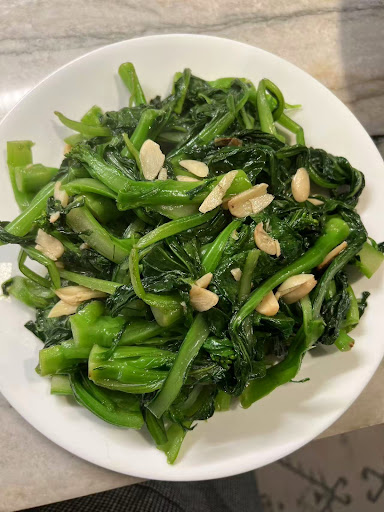
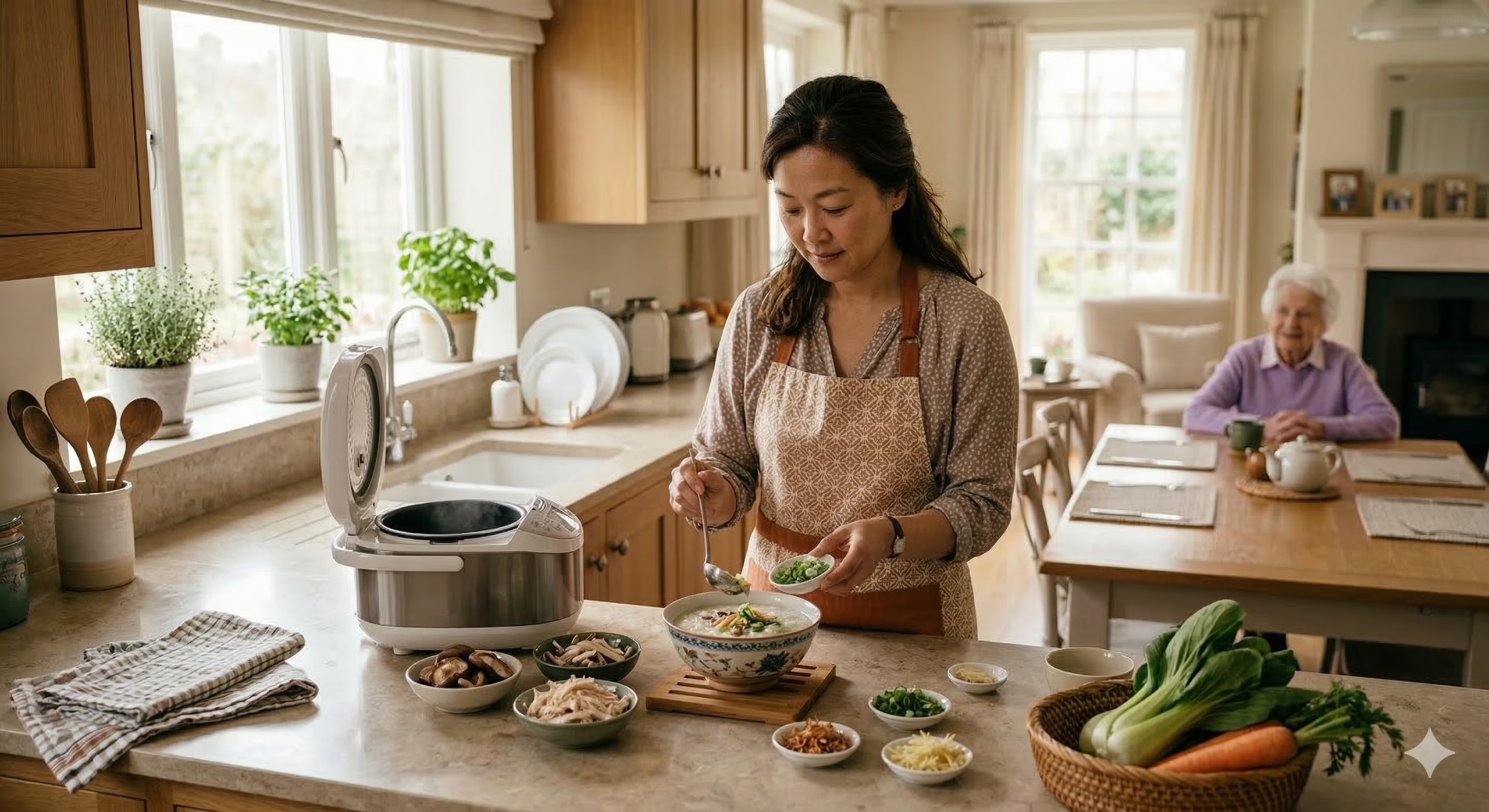
Daily meal preparation tailored to dietary needs, health conditions, and personal preferences. Managing grocery lists, shopping at trusted stores, and keeping the kitchen stocked. This is one of our strongest differentiators: many of our caregivers are experienced in Asian cooking — congee, soups, stir-fry, steamed dishes, and rice-based meals — and can prepare food that reflects your family’s traditions. For elderly family members who value home-cooked meals prepared with cultural knowledge and care, this is one of the most appreciated aspects of the placement.
Light Housekeeping and Home Maintenance
Keeping living spaces clean, organized, and safe. Laundry, bed-making, bathroom maintenance, and kitchen upkeep. Removing clutter and tripping hazards. Maintaining the baseline order that prevents small problems from becoming dangerous ones. For families with elderly members who live alone, this layer of support is critical for safety.
Scheduling, Errands, and Coordination
Managing medical appointments and transportation. Medication reminders on schedule. Grocery shopping, pharmacy runs, and household errands. Coordinating with family members about daily updates and changes in condition. This organizational layer is especially valuable for families where the adult children live in a different city or travel frequently for work.
Find Your Caregiver Today
Tell us what your family needs and we will match you with a vetted caregiver who fits.
Background-checked candidates · Replacement guarantee · Nationwide placement since 2011
Live-In vs. Live-Out Caregivers
The right arrangement depends on your family member’s daily needs, living situation, and the level of support required.
A live-in caregiver resides in your home and is available throughout the day. This is the right fit when your family member needs continuous support — help with morning and evening routines, meal preparation throughout the day, and the reassurance of someone being present at all times. Live-in arrangements are ideal for elderly family members who should not be left alone for extended periods, and they are available nationwide regardless of location.
A live-out caregiver commutes to your home on a set schedule — full-time, part-time, or on specific days. This works well when your family member is relatively independent but needs consistent help with meals, errands, companionship, and household tasks during the day. Live-out availability depends on caregiver density in your area.
My Asian Nanny places both live-in and live-out caregivers. During your consultation, we discuss which arrangement makes sense and match accordingly.
Caregiver vs. Home Health Aide: What’s the Difference?
The terms overlap in casual conversation, but they describe different roles with different scopes.
A home health aide provides medically supervised care — wound care, physical therapy assistance, vital sign monitoring, and clinical support prescribed by a physician. Home health aides typically work under the direction of a licensed nurse or therapist and require medical certification. This is healthcare delivered in the home.
A caregiver provides non-medical daily living support — companionship, meal preparation, light housekeeping, errands, mobility assistance, and personal care. A caregiver helps your family member live comfortably and safely at home without providing clinical treatment. This is household support focused on quality of life.
Home Health Aide: Medically supervised, clinical care, prescribed by a physician, requires certification.
Caregiver: Non-medical daily support, companionship, meals, housekeeping, errands, quality of life focus.
My Asian Nanny places non-medical caregivers. If your family member’s needs are primarily daily living support, companionship, meal preparation, and household help, a caregiver is the right fit. If the need involves clinical care prescribed by a doctor, a home health aide or visiting nurse service is more appropriate.
How Our Matching Process Works
1
Consultation
Share your family’s situation — your family member’s daily needs, preferred schedule, language preferences, dietary requirements, and any specific expectations. This conversation shapes everything that follows.
2
Matching
We review our roster of vetted caregivers and select candidates whose experience, temperament, and skills align with your family. Every candidate has been through our screening process — including background checks, reference verification, and a personal interview.
3
Interview
You speak with candidates via video call to discuss their background, approach to elderly care, and how they would handle your family member’s specific needs. This is your opportunity to assess fit before making a commitment.
4
Placement
Your caregiver begins on your start date, backed by our replacement guarantee. For live-in placements, she relocates to your home. We remain available after placement to ensure the arrangement is working for your family.
Learn more about us and visit our FAQ page for additional details on how the process works from first call to placement day.
Why Families Trust My Asian Nanny
Trusting someone with the daily care of an aging parent is one of the most personal decisions a family can make. It is not the same as hiring for a task — it is inviting someone into a vulnerable relationship. That is why our vetting process goes beyond background checks. We evaluate temperament, patience, and the ability to build genuine rapport with elderly family members who may be resistant to outside help.
The agency was founded in 2011 in Monterey Park, California, originally serving Chinese-American families in the San Gabriel Valley. Many of those early placements were for elderly grandparents who needed a caregiver who could speak Mandarin or Cantonese, prepare familiar meals, and respect the cultural expectations of a multigenerational household. That specialization shaped how we vet, match, and support every placement — even as our client base has expanded to families of every background across the country.
Today, more than a thousand families have trusted us to place a caregiver in their home. Every candidate goes through criminal background checks, employment history verification, reference calls with previous families, and a personal interview with our placement team. We present candidates — not profiles. Families do not browse a database. They speak with people our team has already determined are the right fit.
Every caregiving engagement is backed by a replacement guarantee: 60 days in Southern California, 90 days everywhere else including San Diego. If the caregiver is not the right match for your family member, we place a new one at no additional referral fee.
Where We Place Caregivers
Many of the families who contact us are arranging care from a distance — an adult child in one city coordinating a caregiver for a parent in another. We handle that. Live-in caregiver placements are available nationwide, and our team manages the logistics of matching and relocating a caregiver regardless of where your family member lives.
For live-out caregivers who commute on a daily schedule, availability depends on the density of qualified candidates in your area. Our deepest roster is in California, but we actively place caregivers in markets across the country. Check our service areas page or reach out directly to discuss your family’s location.
Frequently Asked Questions
What does a caregiver do?
A caregiver provides non-medical daily living support for elderly family members — companionship, meal preparation, light housekeeping, errands, medication reminders, and mobility assistance. Unlike a home health aide who provides clinical care, a caregiver focuses on helping your family member live comfortably and safely at home.
How much does a caregiver cost?
Rates vary by location, schedule, and whether the arrangement is live-in or live-out. A live-in caregiver in a high-cost market will have different compensation expectations than a part-time live-out placement in a smaller city. Visit our elderly care cost calculator for current benchmarks based on your market and service type. During your consultation, we provide specific guidance based on your family’s needs.
What is the difference between a caregiver and a home health aide?
A caregiver provides non-medical support — companionship, meals, housekeeping, errands, and daily living assistance. A home health aide provides medically supervised care such as wound care, physical therapy assistance, and vital sign monitoring under the direction of a licensed healthcare provider. My Asian Nanny places non-medical caregivers.
Do you offer live-in caregivers?
Yes. We place both live-in and live-out caregivers depending on your family’s needs. Live-in arrangements are ideal for elderly family members who should not be left alone for extended periods, or for homes in areas where daily commuting is impractical. Live-in placements are available regardless of location.
What languages do your caregivers speak?
Our caregivers speak Mandarin, Cantonese, Bahasa Indonesia, and have basic English skills. During your consultation, we confirm your language preferences and match accordingly to ensure clear communication between your family and your caregiver.
How is My Asian Nanny different from other caregiving services?
We are a curated referral agency, not a marketplace or staffing platform. Every caregiver in our network has been personally interviewed, background-checked, and reference-verified. We do not send you a list of profiles to sort through on your own. We match based on your family’s needs, language preferences, and care expectations — then present candidates we believe are the right fit.
Do you offer a replacement guarantee?
Yes. The guarantee is 60 days in Southern California or 90 days everywhere else, including San Diego. If your caregiver is not the right match, we find a replacement at no additional referral fee. This policy has been in place since the agency was founded in 2011.
Do you serve families outside of California?
Yes. While our headquarters is in Monterey Park, California, we place caregivers in markets across the country. Live-in placements are available regardless of location. Visit our service areas page to check availability in your area.
Ready to Find the Right Caregiver?
Connect with a vetted caregiver matched to your family’s needs — backed by our replacement guarantee.
Serving families nationwide since 2011 · cs@myasiannanny.com
What Families Say
Join 1,000+ families who’ve trusted us with their postpartum care.