
What Is Chinese Confinement (坐月子)? Zuo Yue Zi Explained
Chinese confinement — known as 坐月子 (zuò yuè zi), or “sitting the month” — is a postpartum recovery tradition in which a new mother rests at home for 30 to 40 days after giving birth. During this period, the mother eats warming and nutrient-dense meals, avoids cold exposure, limits physical activity, and receives dedicated care so she can focus entirely on healing and bonding with her newborn. A confinement nanny (also called a yue sao) often lives with the family full-time to manage meals, newborn care, and daily routines throughout the recovery period.
TL;DR — What You Need to Know
- What it is: A structured postpartum recovery tradition rooted in Chinese culture and Traditional Chinese Medicine, lasting 30 to 40+ days after childbirth.
- Core principles: Rest, warming foods, warmth, and dedicated support — designed to help the mother’s body heal after delivery.
- How families practice it today: Most follow the core goals while adapting stricter rules to their comfort level, lifestyle, and doctor’s guidance.
- How support helps: A live-in confinement nanny handles meals, newborn care, and overnight feeds so the mother can rest and recover. Most families tell us the overnight support alone changes their recovery.
- What varies: Duration (26–100 days), strictness of dietary and bathing rules, level of family involvement, and how much hands-on baby care the mother takes on.
This guide explains where the tradition comes from, what it involves, how modern families adapt it, and how to decide what approach is right for your household. You do not need to have everything figured out before the baby arrives — most families refine their plan once they are home.

Where Does Chinese Confinement Come From?
Chinese confinement is a postpartum care system that dates back over two thousand years. The practice developed from the observation that mothers who rested completely after childbirth experienced fewer long-term health problems than those who resumed daily activities too soon. The term 坐月子 (zuò yuè zi) translates literally to “sitting the month,” reflecting the central emphasis on rest and limited movement during the recovery window.
In Traditional Chinese Medicine (TCM), childbirth is understood as a major loss of blood and vital energy (qi). The mother’s body is considered open and vulnerable after delivery — exposed to cold, wind, and other elements that TCM holds can cause lasting health problems if not addressed during the early postpartum weeks. Confinement practices are designed to close this vulnerability, restore balance, and prevent chronic issues from developing later.
Similar traditions exist in many cultures around the world. Latin American families observe la cuarentena (the quarantine). South Asian households practice jaapa or chatti. Korean families follow sanhujori. While the specific customs vary, the underlying idea is the same: the weeks after birth are treated as a protected period, and the mother receives focused care to support her recovery.
Today, Chinese confinement remains widely practiced in mainland China, Taiwan, Hong Kong, Singapore, and Malaysia — and is increasingly observed by Chinese and non-Chinese families in the United States, Canada, Australia, and the United Kingdom.
What Are the Core Principles of Confinement?
The philosophy of Chinese confinement centers on four goals, all rooted in TCM’s understanding of postpartum recovery. In the families we work with, these principles guide every decision about food, rest, and daily routine during the confinement period:
- Rest and recovery. The mother limits physical activity, stays home, and sleeps as much as possible. Household responsibilities, errands, and baby care logistics are handled by others — typically a Chinese postpartum nanny or family members.
- Warmth and protection. The body is kept warm at all times. Socks, covered abdomen, warm liquids, and a draft-free environment are standard. TCM holds that cold enters the body more easily during the postpartum period and can cause joint pain, fatigue, and digestive problems later in life.
- Nourishment and blood replenishment. The mother eats warming, nutrient-dense meals designed to restore blood and qi lost during delivery. Ginger, sesame oil, bone broth, and red dates are staples. Cold foods and drinks are avoided.
- Bonding and emotional calm. The confinement period creates space for quiet bonding with the baby. Visitors are limited, the environment is kept peaceful, and the mother is encouraged to focus on her own adjustment to motherhood without outside pressure.
What makes Chinese confinement different from general postpartum rest advice is its structure. It is not just “take it easy for a few weeks.” It is a comprehensive system with specific dietary guidelines, daily routines, and cultural practices that have been refined across generations.
What Does a Mother Do During Confinement?

A typical confinement period follows a predictable rhythm built around the mother’s rest, the baby’s feeding schedule, and nourishing meals. After supporting hundreds of families through this period, here is what most days look like:
Rest extensively. The mother stays in bed or at home for the majority of the day. Sleep is prioritized — especially in the first two weeks when recovery is most intensive.
Eat warming, nourishing meals. Traditional confinement foods include sesame oil chicken, pork bone broth, fish soup, ginger-based dishes, and red date tea. These are chosen to restore energy, support milk production, and warm the body from the inside. Most families serve three full meals plus two to three additional servings of soup or herbal tea each day.
Stay warm. The mother wears socks, keeps her abdomen covered, and avoids drafts. Many families keep windows closed or limit air conditioning. All drinks are served warm or at room temperature.

Limit visitors and outings. The first one to two weeks are typically kept quiet. Close family may visit briefly, but extended social gatherings are avoided to protect the mother’s rest and the newborn’s health.
Bond with the baby. Skin-to-skin contact, breastfeeding, and quiet time together are central to the recovery period. The confinement nanny handles logistics so the mother can be present without being overwhelmed.
What families consistently tell us
The first few days home feel overwhelming for almost everyone — especially first-time parents. Having someone experienced in the house, someone who has done this hundreds of times, makes the difference between panic and confidence. The mother can rest knowing the baby is safe and cared for.
What Are the Traditional Rules — and Which Ones Do Modern Families Change?

Traditional confinement rules include restrictions on bathing, hair washing, going outdoors, lifting, screen time, and cold exposure. These are based on TCM principles about protecting the body during its most vulnerable recovery window. For a complete breakdown of each rule — including what to do, what to avoid, and what modern families typically adapt — see our detailed guide to postpartum confinement rules.
In real homes, most families keep the warming-food tradition and rest structure while making practical adjustments. Most mothers today shower with warm water and dry off immediately. Hair washing happens once or twice a week. Short walks in mild weather are common after the first week or two. Screen time is used in moderation.
💡 What experienced families tell us
Many mothers adjust their plans once they are home and can see what their body actually needs. The goal is always recovery — not rigid compliance. There is no pressure to follow every rule exactly, and it is completely fine to change your mind as you go.
Why Does Confinement Focus on Warming Foods?

The confinement diet is one of the most distinctive aspects of the tradition. In TCM, childbirth depletes the mother’s blood and qi, leaving the body in a cold, weakened state. Warming foods are believed to restore circulation, support uterine healing, increase milk supply, and rebuild the mother’s strength from the inside.
Common confinement foods include sesame oil chicken, ginger-based soups, black vinegar pig trotters, red date and longan tea, fish soup with papaya, and black chicken herbal soup. Cold foods — including raw vegetables, iced drinks, and fruits considered “cooling” — are typically avoided.

Modern medicine does not use the same framework, but there is meaningful overlap on several points: adequate protein supports tissue repair, iron intake matters after blood loss, hydration supports breastfeeding, and warm, easily digestible meals provide steady energy during recovery. The American College of Obstetricians and Gynecologists (ACOG) emphasizes the importance of postpartum nutrition, and a 2022 review in Nutrients found that adequate protein, iron, and fluid intake supports both physical recovery and lactation — principles that align closely with traditional confinement diets.
For a detailed guide to what families eat during this time — including meal plans and foods to avoid — see our page on Chinese postpartum meals and confinement foods.
What Does a Confinement Nanny Do?
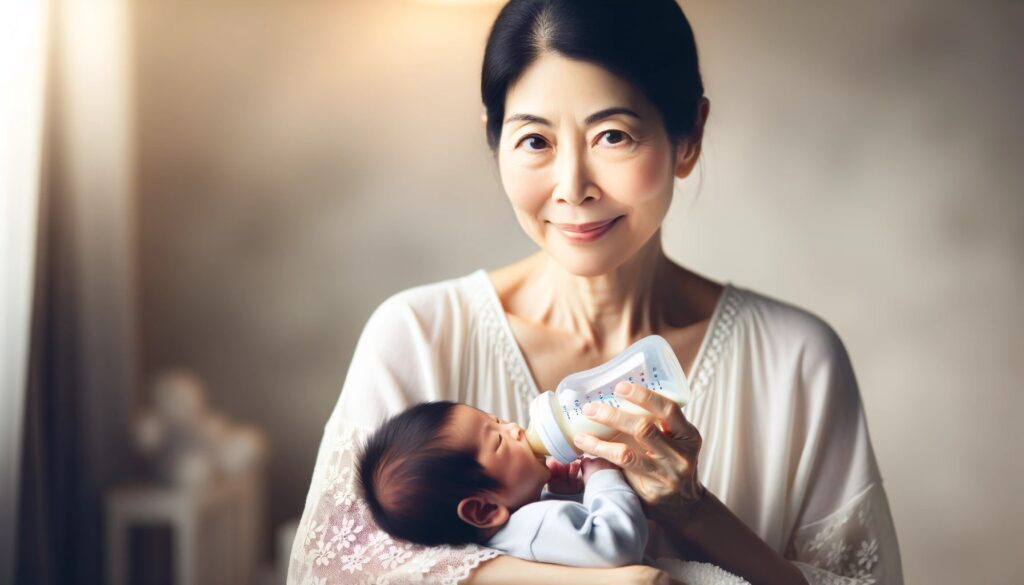
A confinement nanny (月嫂, yuè sǎo) is a live-in caregiver who specializes in postpartum recovery and newborn care during the confinement period. Her role is dedicated entirely to the newborn and the mother’s recovery — she does not provide care for older children, and families needing additional childcare should arrange a separate caregiver.
What a confinement nanny typically handles:
- Confinement meal preparation. All meals, soups, herbal teas, and snacks — usually three meals plus two to three additional servings of soup or tea per day, tailored to the mother’s recovery stage and dietary preferences.
- Newborn care. Bathing, diaper changes, umbilical cord care, swaddling, soothing, and monitoring sleep patterns.
- Breastfeeding support. Helping with latching, positioning, and pumping schedules. Preparing lactation-boosting foods like papaya fish soup and peanut pig feet broth.
- Overnight newborn care. Waking the mother only for nursing, then handling burping, settling, and diaper changes so she can return to sleep quickly.
- Light household tasks. Baby laundry, cleaning bottles and pump parts, and keeping the nursery and kitchen tidy.
- Recovery guidance. Advising on confinement practices, what to expect during healing, and when something may need a doctor’s attention.
A confinement nanny does not replace a doctor or medical provider. She does not diagnose conditions, prescribe treatments, or provide medical advice. If something seems wrong — unusual bleeding, fever, persistent pain, or signs of postpartum depression — she will encourage the mother to contact her healthcare provider promptly.
What the Live-In Arrangement Looks Like Day to Day
The nanny sleeps in a separate room — usually a guest room, nursery, or converted space near the baby. At night, she keeps the baby with her or nearby, bringing the baby to the mother only for breastfeeding and then handling burping, settling, and diaper changes so the mother can go back to sleep. During the day, she rotates between cooking, baby care, and rest (typically two to four hours of break within a 24-hour cycle). The mother decides how much hands-on baby time she wants — some prefer to hold and feed most of the day, others rest more in the early weeks and increase involvement gradually. There is no fixed script. A good nanny reads the household and adjusts.
Families typically begin searching for a confinement nanny in the second trimester. Experienced nannies are often booked two to four months in advance — not because of artificial scarcity, but because each nanny serves one family at a time for 26 to 40+ consecutive days. That means each nanny can only take a handful of bookings per year. Starting early gives you more choices and a better match. For more details, see our pages on how to hire a confinement nanny and confinement nanny costs.
How Long Does Chinese Confinement Last?
Most families observe 26 to 40 days. The most common bookings are 26 days (basic recovery support) and 40 days (the traditional full period). Some families — particularly after a cesarean delivery or a difficult birth — extend to 60 or even 100 days.
It is completely normal to feel unsure about how long you will need. Many families start with a shorter booking and extend if they want more time — experienced nannies expect this and plan accordingly. There is no medical rule requiring exactly 30 or 40 days. What matters is that the mother has consistent support and enough time to heal. For a deeper look at how to choose, see how long to book a confinement nanny.
What Are the Benefits of Confinement?
When practiced with adequate support, Chinese confinement offers several potential benefits during the early postpartum weeks. These are not guaranteed outcomes — every recovery is different — but they reflect what families and practitioners commonly observe:
- Structured rest. The clear framework reduces decision fatigue and protects the mother from the pressure to resume normal activities too quickly.
- Better nutrition. Confinement meals are designed around protein, iron, and warming ingredients that support tissue repair, milk production, and energy levels.
- Overnight support. When a confinement nanny handles night feeds and diaper changes, the mother sleeps in longer stretches — which directly supports physical and emotional recovery.
- Bonding time. With household logistics handled by someone else, the mother can focus on being present with her baby without competing demands.
- Emotional stability. A 2023 systematic review published in BMC Pregnancy and Childbirth found that the quality of confinement support — not just whether it was observed — was the more important factor for maternal well-being. Mothers who felt genuinely cared for reported better emotional outcomes.
The World Health Organization (WHO) estimates that roughly 1 in 5 new mothers experience a mental health condition in the postpartum period. Confinement is not a substitute for professional mental health care. If you or someone in your family notices persistent sadness, difficulty bonding with the baby, or feelings of hopelessness, these should be discussed with a doctor or counselor promptly.

What Surprises Families Most About Confinement
After supporting families through hundreds of confinement periods, these are the things that catch most parents off guard — even those who planned carefully:
The exhaustion is deeper than expected. Most new parents intellectually understand they will be tired. The reality — particularly in the first ten days — is a level of fatigue that makes basic decisions feel difficult. This is exactly why confinement exists: to remove every non-essential demand so the mother’s only job is to rest and feed.
Plans change quickly. Families often arrive home with a clear picture of how confinement will go. Then the baby’s feeding pattern, the mother’s recovery speed, or the household dynamic shifts things. A mother who planned to breastfeed exclusively may need to supplement. A mother who wanted to follow every traditional rule may decide warm showers are non-negotiable by day three. This is completely normal, and an experienced nanny adapts without judgment.
Emotional swings are real and varied. Hormonal shifts after birth can create intense emotions — sometimes joy and sadness in the same hour. Having someone calm and experienced in the house during those moments matters more than most families anticipate.
Feeding is unpredictable. Whether breastfeeding, pumping, or formula feeding, the early weeks rarely follow a neat schedule. Cluster feeding, supply fluctuations, and latch challenges are common. Families who expected a smooth rhythm often feel relieved when their nanny normalizes the chaos and helps them find a workable pattern.
None of these surprises are problems. They are just the reality of the postpartum period — and they are exactly why structured support during this window makes such a difference.
Is Chinese Confinement Only for Chinese Families?
No. While the tradition originates in Chinese culture, the core principles — rest, nourishment, warmth, and dedicated postpartum support — are universal. Families of any background can benefit from structured recovery during the weeks after birth.
In practice, we work with families from a wide range of cultural backgrounds. Some follow the TCM dietary framework closely. Others adopt the rest-and-support structure while adjusting the food to their own preferences. The tradition is flexible enough to accommodate both approaches.
Similar postpartum recovery traditions exist across many cultures — which suggests that the underlying idea of a protected recovery period with dedicated care has value regardless of its specific cultural expression.
Is Chinese Confinement Right for Every Family?
Confinement is not one-size-fits-all, and it does not have to be all or nothing. Here is how families typically think about it:
Families who tend to benefit most include first-time parents who want structured guidance through the newborn period, mothers recovering from a cesarean or difficult delivery, households without nearby family support, and families who value the cultural tradition and want to observe it with experienced help.
Families who may prefer a lighter approach include those with strong family support already in place, mothers who feel comfortable managing newborn care independently, or parents who want specific elements (like confinement meals or overnight help) without the full live-in structure.
Customization is normal. In real homes, most families land somewhere in the middle. They may follow the dietary framework closely but skip the bathing restrictions. They may want 40 days of meal support but only 26 days of overnight care. The goal is not perfection — it is making sure the mother has what she actually needs to heal.
If you are unsure whether full confinement or a lighter version makes sense, that uncertainty is fine. Many families decide once they see what the first week at home actually feels like. What matters is having the option available if you need it.
How Does a Confinement Nanny Compare to Other Postpartum Support?
Families often ask how a confinement nanny compares to other types of postpartum help. The biggest difference is scope: a confinement nanny is the only option that combines live-in newborn care, culturally specific recovery meals, overnight support, and breastfeeding help into a single role.
| Confinement Nanny | Postpartum Doula | Night Nurse | Postpartum Nurse | |
|---|---|---|---|---|
| Live-in? | Yes — full-time | No (visits) | Overnight only | No (visits) |
| Confinement meals | Yes — all meals, soups, teas | No | No | No |
| Newborn care | Yes — day and night | Light support | Overnight only | Limited |
| Breastfeeding help | Yes | Yes | Overnight feeds | Varies |
| Recovery focus | Yes — central role | Emotional support | Indirect (sleep) | Medical monitoring |
| Typical duration | 26–40+ days | A few weeks (part-time) | A few weeks to months | First 1–2 weeks |
| Cultural practices | Yes — TCM-based | No | No | No |
Some families combine options — for example, a confinement nanny for the first month followed by a night nurse for the second month while the mother transitions to managing daytime care independently. Others rely entirely on one type of support. There is no single right answer, and your needs may shift once you are home with the baby.
For a deeper comparison, see doula vs. confinement nanny.
Frequently Asked Questions
What does zuo yue zi mean?
坐月子 (zuò yuè zi) translates literally to “sitting the month.” It is the Chinese term for postpartum confinement — the structured recovery period of rest, warming foods, and dedicated support described throughout this guide.
Is Chinese confinement the same as the 40-day rule?
They overlap but are not identical. The “40-day rule” refers broadly to a postpartum rest period observed across cultures. Chinese confinement adds TCM-based dietary practices, warmth principles, and specific cultural customs on top of that foundation. See our confinement rules guide for the full breakdown.
Do I need to follow every traditional rule?
No — and most families do not. An experienced confinement nanny can help you decide which practices matter most to you and where flexibility makes sense. There is no right or wrong way to do this.
How much does a confinement nanny cost?
Rates depend on location, duration, and experience. Most live-in confinement nannies in the U.S. charge a daily rate that varies by region. See confinement nanny costs for current ranges.
How is this different from the 5-5-5 rule?
The 5-5-5 rule covers the first 15 days after birth — five days in bed, five days on the bed, five days near the bed. Chinese confinement is longer (30–40+ days) and includes specific dietary, warmth, and cultural practices beyond activity restrictions. Think of the 5-5-5 rule as the opening phase of a full confinement period.
When should I start planning for confinement?
Second or early third trimester. Each nanny serves one family at a time for weeks, so availability is limited by nature — not artificially. Starting early gives you more choices and a better match. See when to start booking.
Ready to Plan Your Confinement?
If you are expecting and considering postpartum confinement support, we can help you find an experienced confinement nanny matched to your family’s preferences, dietary needs, and schedule. My Asian Nanny is a referral agency — we connect families with carefully vetted live-in caregivers across California and nationwide.