
Chinese Postpartum Meals: What to Eat During Confinement Recovery
★ Trusted since 2011
★ Background Checked & Vetted
🛡 60-90 Day Nanny Replacement Guarantee
📍 California & Nationwide Placements
TL;DR — Chinese Postpartum Meals at a Glance
Chinese postpartum meals are specially prepared foods rooted in Traditional Chinese Medicine (TCM) that support a mother’s recovery during the confinement period (坐月子 / zuò yuè zi). These meals focus on warming ingredients, nutrient-dense soups, and blood-building foods that help with uterine healing, milk supply, energy restoration, and emotional balance. Every ingredient is selected with purpose — nothing is random.

In Chinese tradition, the weeks after childbirth are not a time to diet, calorie-count, or “bounce back.” They are a time to rebuild. Chinese postpartum meals — the food prepared during the confinement period — are designed to do exactly that: warm the body from the inside, replenish lost blood, support milk production, and give a new mother the nourishment she needs to heal.
This is not just cultural preference. It is a system of recovery nutrition that has been refined over 2,000 years — and many of its principles align with what modern nutrition science now recognizes about postpartum healing. At My Asian Nanny, we have placed over 1,000 families with experienced confinement nannies who prepare these meals from scratch every day during the confinement period. The food is that central to recovery.
Whether you are planning your own postpartum meals, supporting a partner or daughter, or considering hiring a yue sao (月嫂) who will handle meal preparation for you, this guide covers what to eat, what to avoid, why each ingredient matters, and how to structure meals across the first week and beyond.
In a traditional confinement arrangement, a yue sao typically prepares these meals as part of daily postpartum care.
Why Food Plays a Central Role in Chinese Confinement
In Chinese medicine and cultural practice, food is medicine — especially after childbirth. The postpartum period is considered a time when the body is in a state of “cold” and “deficiency.” Pregnancy and labor deplete the mother’s qi (vital energy) and blood. The body’s internal balance is disrupted. Chinese postpartum meals are specifically designed to restore that balance.
During zuò yuè zi (坐月子) — the 30- to 40-day confinement period that follows birth — a mother rests, stays warm, and eats carefully prepared meals designed to support recovery. This is not optional in traditional Chinese families. It is one of the most important caregiving responsibilities that family members or a confinement nanny takes on.
The food traditions are structured around four recovery goals that guide every meal, every ingredient, and every preparation method during confinement:
Warming the Body
Restoring internal heat lost during delivery, using ingredients like ginger, sesame oil, and rice wine
Building Blood
Replenishing blood lost during birth with iron-rich foods, red dates, and black chicken
Supporting Milk Production
Using protein-rich broths, papaya soups, and warm liquids to encourage lactation
Aiding Digestion
Serving easily digestible foods to reduce strain on the recovering body
What Makes Confinement Meals Different from Regular Postpartum Eating
Chinese confinement food is not just “eating healthy after having a baby.” Every ingredient is selected based on its properties in Traditional Chinese Medicine — not just its nutritional label. TCM classifies foods by their thermal nature (warming, cooling, or neutral), their effect on blood and qi production, their digestive impact, and their influence on milk supply.
Preparation methods also matter. Slow-cooking, steaming, and simmering are preferred because they make foods easier to digest and preserve the warming properties of ingredients. Deep-frying and raw preparation are avoided. Soups are central — not as side dishes, but as primary nourishment, consumed two to three times per day.
This level of intentionality is what distinguishes confinement meals from general postpartum nutrition advice. Western postpartum guidance tends to focus on macronutrients (protein, iron, calcium) and hydration. Chinese confinement food addresses the same needs — but through an integrated framework that considers how food interacts with the body’s recovery state, not just its nutrient profile.
A note on TCM and modern evidence
Many TCM food principles — such as prioritizing warm, easily digestible foods, increasing protein and iron intake, and staying well-hydrated — are consistent with evidence-based postpartum nutrition guidelines. However, some specific claims (such as “cold” foods slowing recovery) are based on traditional practice rather than clinical research. We present both perspectives throughout this guide so families can make informed choices.
What It Costs to Have Someone Else Cook These Meals
A full confinement diet is five to six separate preparations a day — three meals plus the soups and teas — repeated for 26 to 40 days. A yue sao does that cooking as part of live-in postpartum care, alongside newborn care and the overnight feeds. Rates run $290–$430+ per day depending on region, roughly $100 a day above a live-in nanny in the same area.
Rates are what the caregiver is paid. Agency fees are listed separately on the 2026 caregiver rates page.
11 Essential Chinese Postpartum Foods Every Confinement Diet Includes
Eleven ingredients appear in nearly every Chinese confinement meal plan. Each plays a specific role in recovery — from warming the body and building blood to supporting digestion and milk production. If you are preparing your own postpartum meals or shopping for a family member, this is where to start.
1. Ginger (姜 / jiāng)
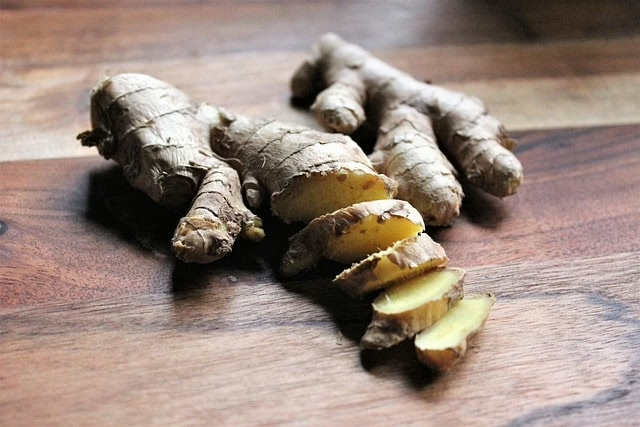
Ginger is the foundation ingredient of Chinese confinement cooking. In TCM, ginger is classified as a warming food that helps expel “wind” and “cold” from the body — both considered harmful to postpartum recovery. It promotes circulation, supports digestion, and reduces nausea.
In confinement meals, ginger appears everywhere: sliced into soups, sautéed with sesame oil as a base for chicken dishes, steeped in teas, and added to congee. A confinement nanny will typically use old ginger (老姜) rather than young ginger, as it is believed to have stronger warming properties.
2. Black Sesame (黑芝麻 / hēi zhī ma)
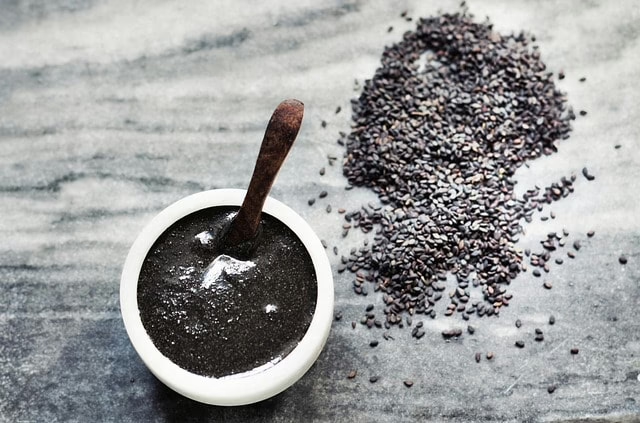
Black sesame is rich in iron, calcium, and healthy fats — three nutrients that postpartum mothers need in abundance. In TCM, black sesame is considered a kidney-tonifying food that supports blood production and nourishes the liver.
Confinement nannies often prepare black sesame soup (黑芝麻糊) as a mid-morning or bedtime snack. It is filling, easy to digest, and provides a natural source of the minerals needed for bone health and energy restoration. Many mothers find it comforting — warm, slightly sweet, and satisfying.
3. Pig’s Feet with Vinegar (猪脚醋 / zhū jiǎo cù)
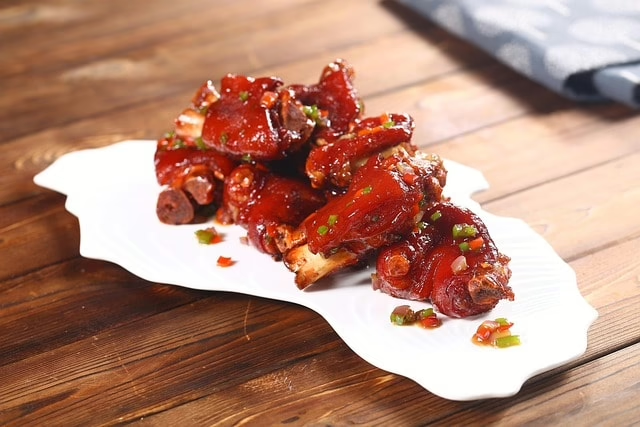
Pig’s feet simmered in black vinegar with ginger and eggs is one of the most iconic Chinese confinement dishes. The slow-cooking process extracts collagen and calcium from the bones, creating a rich, nourishing broth. The vinegar helps the body absorb these minerals more effectively.
This dish is especially popular in Cantonese confinement traditions, where it is often prepared in large batches during the first week and shared with visiting family members. The vinegar and ginger together create a warming, aromatic dish that supports tissue repair and bone health.
4. Sesame Oil Chicken (麻油鸡 / má yóu jī)
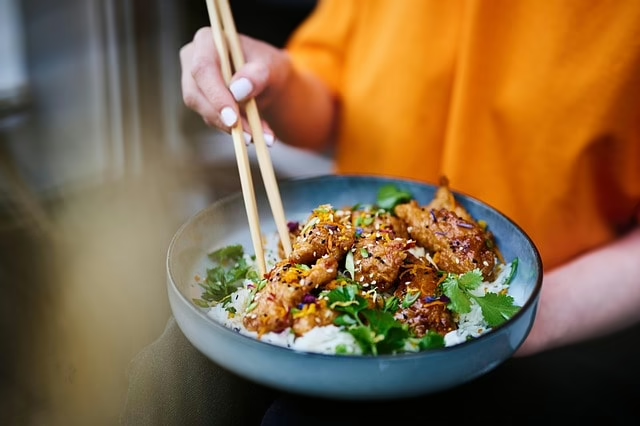
Sesame oil chicken is arguably the signature dish of Chinese confinement eating. Chicken pieces are cooked slowly in pure sesame oil with generous slices of old ginger and a splash of rice wine. The combination creates a deeply warming, protein-rich meal that supports muscle repair and circulation.
In Taiwanese confinement traditions, sesame oil chicken is served almost daily during the first two weeks. The rice wine is believed to help the body expel retained fluids and improve blood flow. Families who are uncomfortable with alcohol can substitute rice wine with additional broth — the ginger and sesame oil still provide the warming benefit.
5. Herbal Soups (药膳汤 / yào shàn tāng)
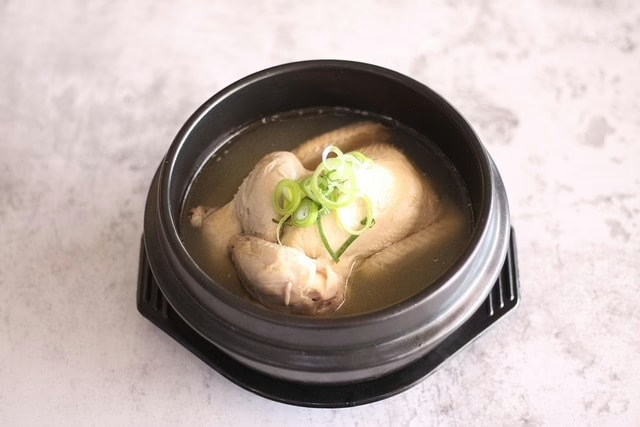
Soups are the backbone of confinement eating. A typical confinement meal plan includes two to three soups per day — not as extras, but as primary nourishment. Herbal soups combine protein (chicken, pork ribs, or fish) with medicinal ingredients like red dates, goji berries, dang gui, and astragalus root.
Each soup is formulated for a specific recovery purpose. A fish and papaya soup supports milk production. A black chicken herbal soup builds blood. A pork rib and lotus root soup aids digestion. The variety keeps meals interesting while ensuring the mother receives a broad range of nutrients and therapeutic benefits throughout her recovery.
6. Brown Rice and Millet (糙米和小米 / cāo mǐ hé xiǎo mǐ)
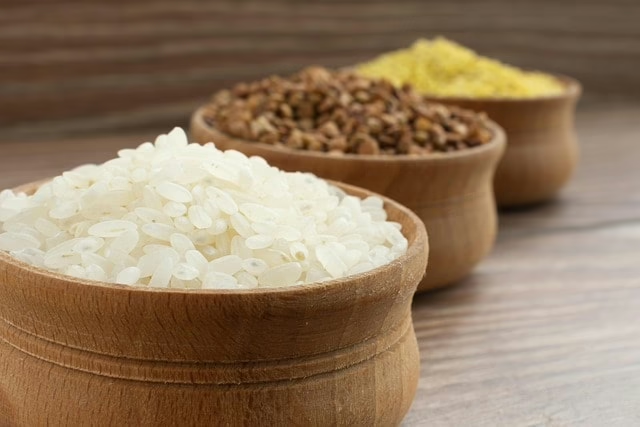
White rice is a staple in Chinese cooking, but during confinement, many nannies switch to brown rice or millet — or a combination of both. Brown rice provides more fiber and B vitamins than white rice, while millet is gentle on the digestive system and considered a warming grain in TCM.
Millet congee (小米粥) is one of the most common confinement breakfasts. It is easy to prepare, easy to digest, and serves as a gentle base to start the day. Many confinement nannies cook congee with red dates or goji berries to add sweetness and extra nourishment without refined sugar.
7. Red Dates / Jujubes (红枣 / hóng zǎo)
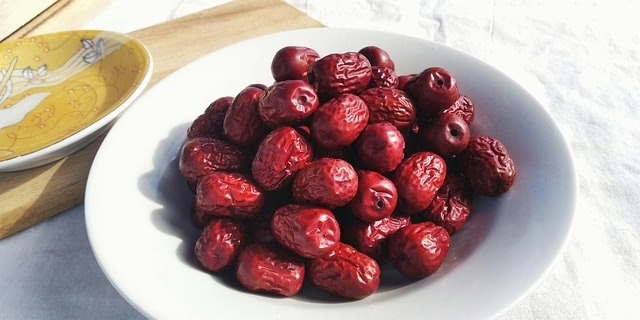
Red dates are one of the most frequently used ingredients in Chinese postpartum cooking. In TCM, they are classified as a blood-building and qi-restoring food — addressing two of the primary deficiencies that follow childbirth. Red dates are naturally sweet, rich in iron and vitamin C, and appear in soups, teas, congees, and desserts.
A simple red date and ginger tea is often the first thing a new mother drinks after delivery. It is warm, comforting, and easy to prepare. Many confinement nannies keep a pot of red date tea available throughout the day as a replacement for cold water, which is traditionally avoided during confinement.
8. Goji Berries / Wolfberries (枸杞 / gǒu qǐ)
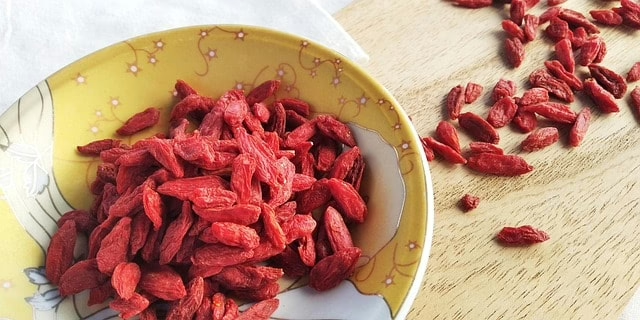
Goji berries are a TCM staple believed to support liver and kidney function, improve energy, and nourish the blood. They are small, mildly sweet, and add a subtle fruitiness to soups, teas, and grain dishes. In postpartum confinement, goji berries are valued for their antioxidant content and their role in supporting eye health — a concern for mothers spending long hours in dim rooms with a newborn.
Confinement nannies sprinkle goji berries into herbal soups, steep them in teas alongside red dates, and add them to congee. They are one of the most versatile and gentle ingredients in the confinement pantry.
9. Black Chicken / Silkie (乌鸡 / wū jī)
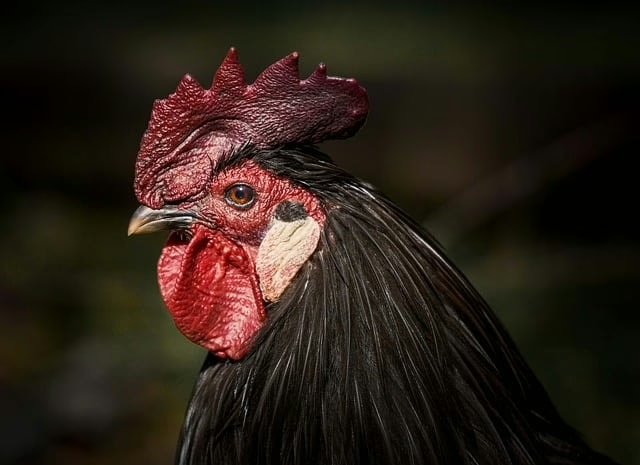
Black chicken (silkie) is one of the most prized ingredients in Chinese confinement cooking. Its dark-colored meat and bones are rich in antioxidants, amino acids, and iron. In TCM, black chicken is classified as a blood-tonifying food that nourishes the kidneys and liver — making it especially suitable for postpartum recovery.
Black chicken herbal soup — simmered slowly with red dates, goji berries, and dang gui — is considered one of the most restorative confinement dishes. The flavor is milder than regular chicken, and the broth becomes deeply nourishing after hours of slow cooking. Black silkie chickens can be found at most Chinese grocery stores and Asian poultry markets.
10. Dang Gui / Angelica Root (当归 / dāng guī)
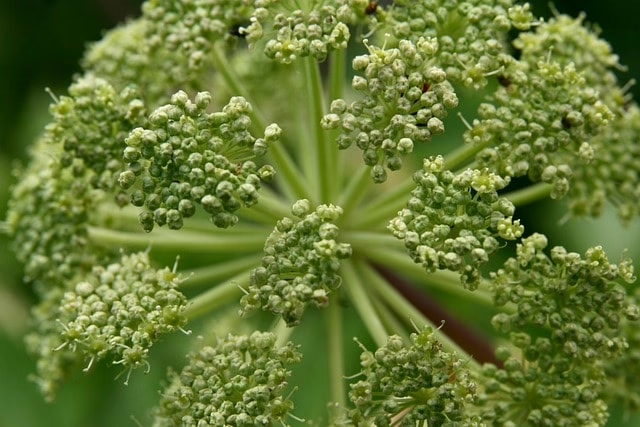
Dang gui is one of the most important medicinal herbs in TCM and a staple in postpartum herbal soups. Known as “female ginseng,” it is traditionally used to nourish and invigorate the blood, support circulation, and help regulate the body after birth. It has a strong, earthy flavor that mellows during slow cooking.
Important
Dang gui is a medicinal herb, not a casual cooking ingredient. It should be introduced gradually — typically after the first week of recovery — and used in moderation. Experienced confinement nannies know how to dose it appropriately. If you are preparing meals yourself, consult a TCM practitioner or follow recipes from trusted confinement cookbooks.
11. Wood Ear Mushrooms (木耳 / mù ěr)

Wood ear mushrooms are a common ingredient in Chinese confinement cooking, valued for their iron content and their role in supporting blood circulation. In TCM, wood ear mushrooms are believed to help prevent blood stasis — a condition where blood flow becomes sluggish after delivery.
These mushrooms have a mild, slightly crunchy texture and absorb the flavors of whatever they are cooked with. Confinement nannies add them to stir-fries, soups, and braised dishes. They are affordable, widely available at Asian grocery stores, and easy to prepare — simply soak dried wood ear mushrooms in warm water for 20 to 30 minutes before cooking.
Two Classic Confinement Recipes You Can Make at Home
Two dishes are prepared more often than any others during Chinese postpartum confinement. Both are straightforward enough for home preparation, even without a confinement nanny.
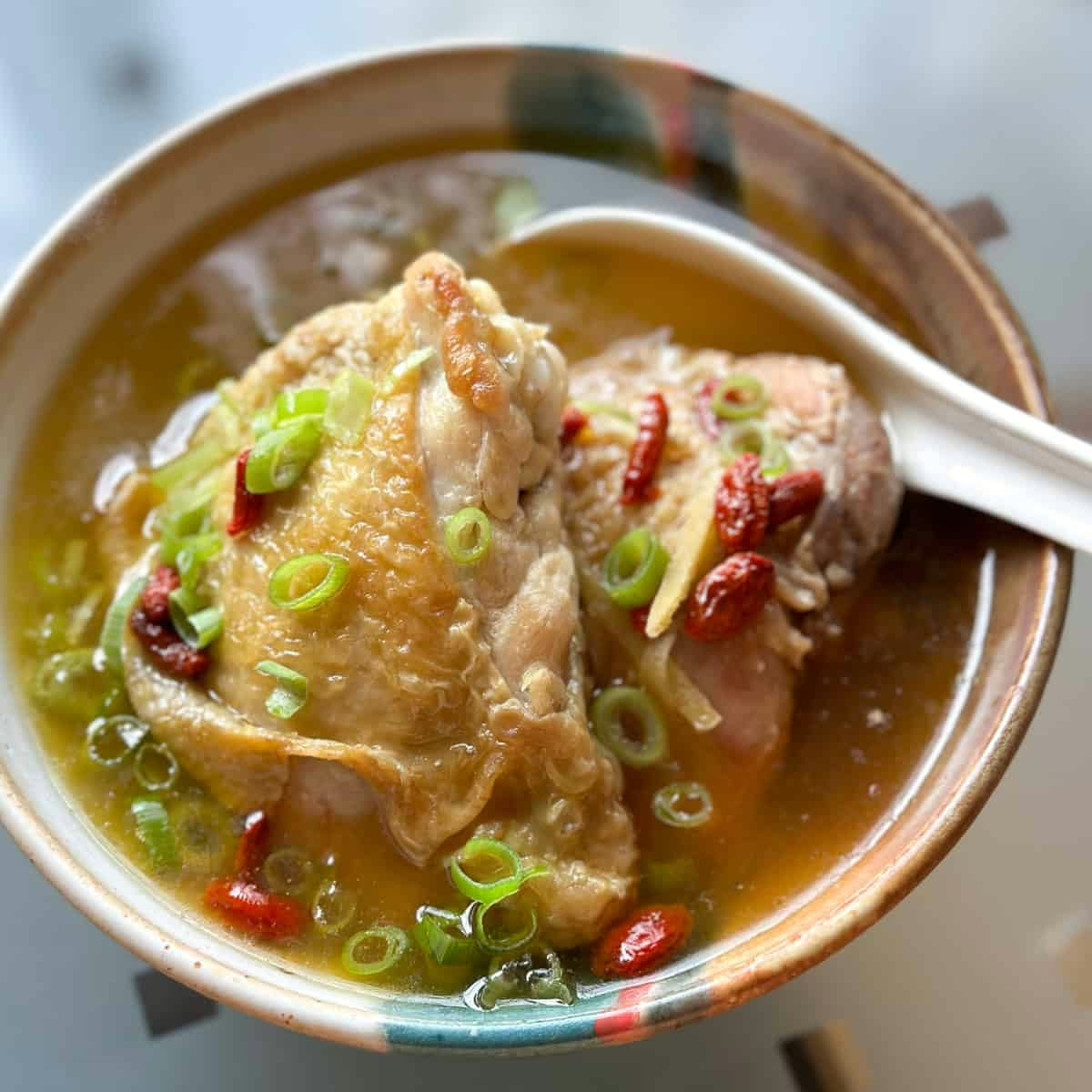
Sesame Oil Chicken (麻油鸡 / má yóu jī)
Ingredients
- 1 whole chicken, cut into pieces
- ½ cup pure sesame oil
- 10 slices fresh old ginger
- 4 cloves garlic, minced
- ½ cup rice wine (or substitute with chicken broth)
- 1–2 cups chicken broth
- Salt and white pepper to taste
Instructions
- Heat sesame oil in a large pot over medium heat.
- Add ginger slices and garlic. Stir-fry until fragrant and lightly golden.
- Add chicken pieces and brown on all sides.
- Pour in rice wine and chicken broth.
- Reduce heat to low, cover, and simmer for 30–40 minutes until chicken is tender.
- Season with salt and white pepper. Serve warm over brown rice or millet.
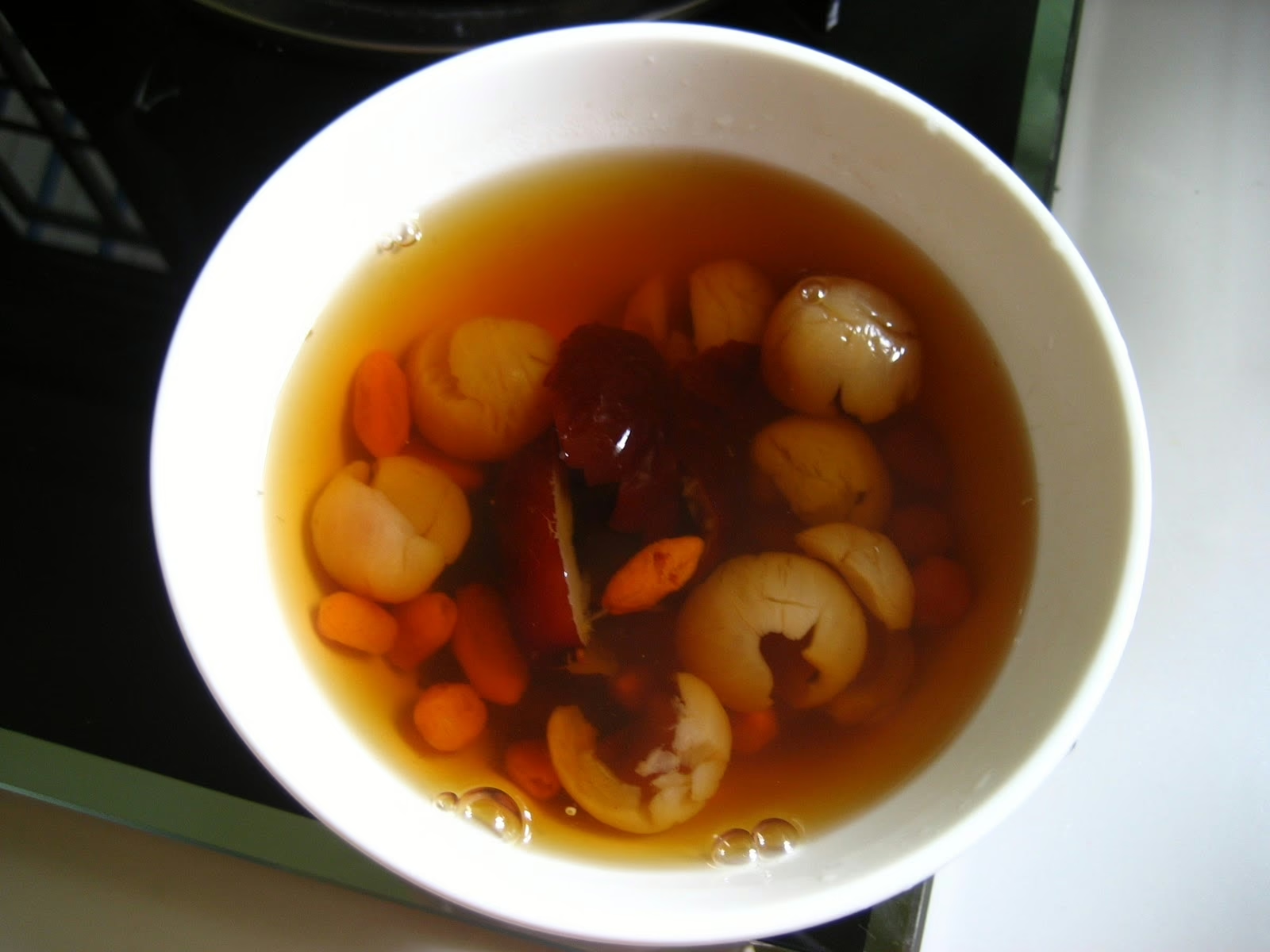
Red Date and Ginger Tea (红枣姜茶 / hóng zǎo jiāng chá)
Ingredients
- 15 dried red dates, pitted
- 3–4 slices fresh ginger
- 4 cups water
- 2 tablespoons brown sugar (optional)
Instructions
- Rinse red dates thoroughly.
- Combine red dates, ginger slices, and water in a pot.
- Bring to a boil, then reduce heat and simmer for 20–30 minutes.
- Add brown sugar if desired and stir until dissolved.
- Strain and serve warm. Can be kept in a thermos and sipped throughout the day.
Foods to Avoid During Chinese Postpartum Confinement
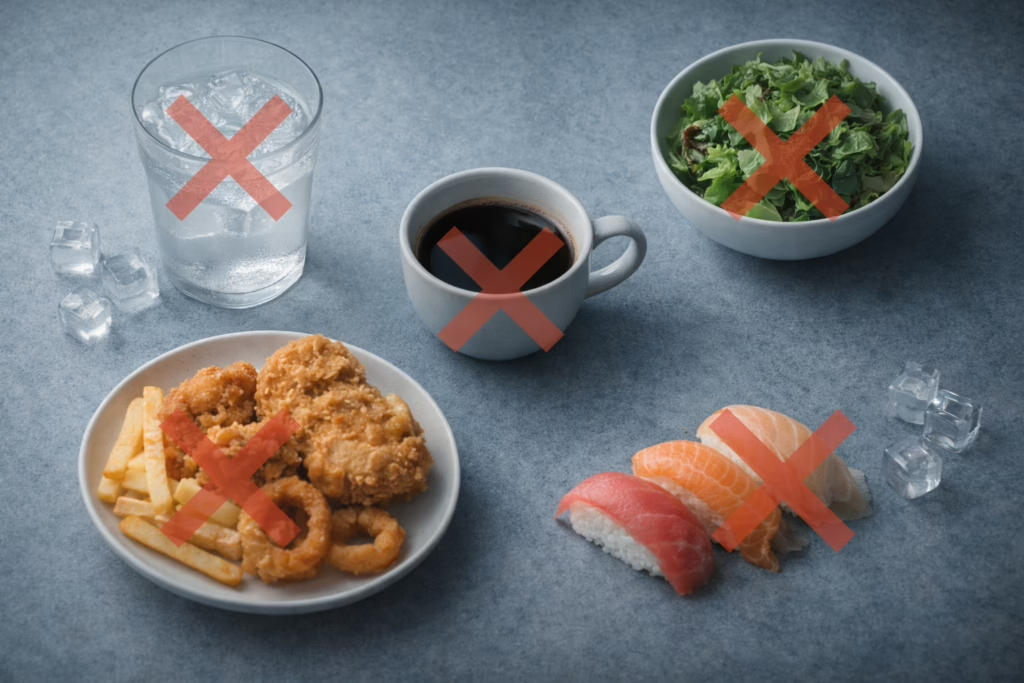
Just as confinement eating emphasizes specific healing ingredients, it also identifies foods that may hinder recovery according to TCM principles. These guidelines vary by family and region, but the following categories are widely avoided during the confinement period.
Cold and Raw Foods
Cold and raw foods are the most fundamental restriction in confinement eating. Cold and raw foods — including ice water, cold beverages, salads, sushi, and refrigerated fruit — are believed to introduce “cold” into the body at a time when it needs warmth to recover. Many confinement nannies will not serve anything below room temperature. Even water is served warm or at body temperature.
Greasy and Deep-Fried Foods
While confinement meals are rich in healthy fats (sesame oil, bone broths), greasy and deep-fried foods are avoided because they burden the digestive system. After delivery, the body’s digestion is considered weakened. Heavy, oily food can cause bloating, discomfort, and slow nutrient absorption. Steaming, braising, and slow-cooking are the preferred preparation methods.
Caffeine, Alcohol, and Spicy Foods
Strong stimulants are generally avoided during confinement. Caffeine can pass through breast milk and affect a newborn’s sleep patterns. Excessive spice can irritate the digestive tract. While small amounts of rice wine are used in cooking (and the alcohol largely evaporates during slow cooking), drinking alcohol directly is discouraged. Herbal teas and warm soups replace coffee and regular tea.
Sour and “Wind-Inducing” Foods
In TCM, certain sour foods (citrus, pickled vegetables, vinegar-heavy dishes) and “wind-inducing” foods (bamboo shoots, certain leafy greens) are believed to cause joint pain, gas, and digestive disruption during the postpartum period. These restrictions are more variable — some families follow them strictly, others adapt based on personal experience and the nanny’s guidance.
A balanced view
Not all of these restrictions have scientific backing. The guidance around avoiding cold/raw foods, staying hydrated with warm liquids, and eating easily digestible foods is sensible postpartum advice by any standard. The more specific TCM restrictions around “wind” and sour foods are traditional and vary widely. Families should feel comfortable adapting these guidelines to their own comfort level and their healthcare provider’s advice.
Ready to Plan Your Postpartum Recovery?
Over 1,000 families have trusted My Asian Nanny with their postpartum recovery. Tell us about your family and due date — we will match you with experienced, vetted confinement nannies.
Trusted since 2011 · Background-checked & vetted · 60-90 day replacement guarantee
Sample Seven-Day Confinement Meal Plan
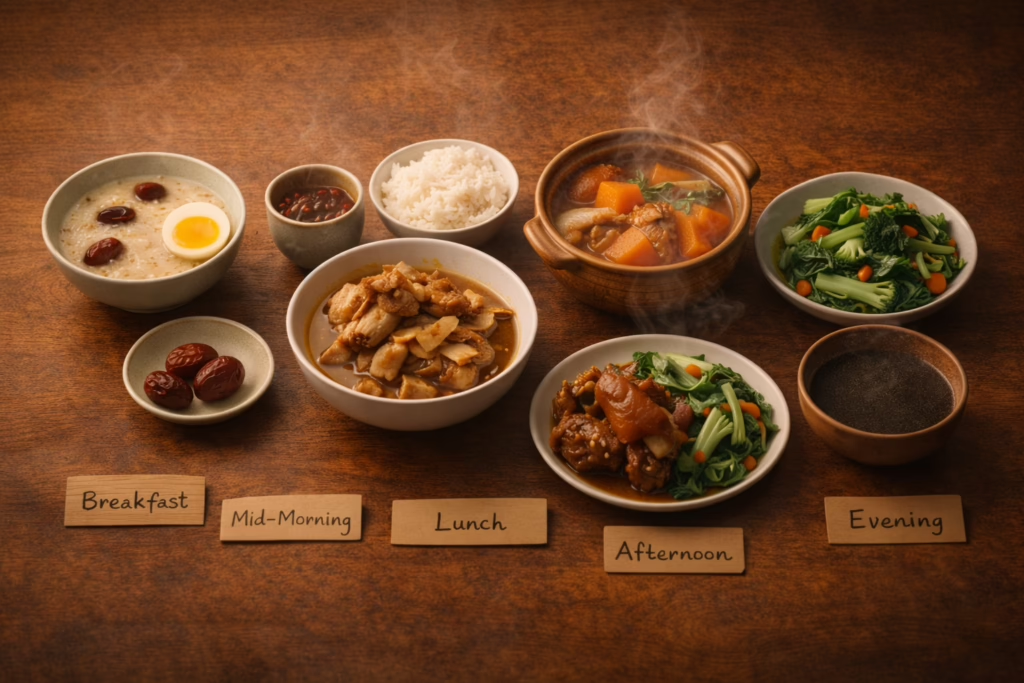
The seven-day plan below reflects the schedule an experienced confinement nanny follows during the first week postpartum. Each day includes six eating occasions — three full meals and two to three soups, teas, or snacks — designed to provide steady nourishment in manageable portions.
Every confinement nanny adjusts based on the mother’s appetite, milk supply, allergies, and preferences. This plan is a representative starting point, not a rigid prescription.
Day 1
| Meal | Food | Benefits |
|---|---|---|
| Breakfast | Red date and longan tea, steamed egg with ginger, brown rice congee | Gentle digestion, protein, warmth |
| Mid-morning | Walnut and black sesame soup | Calcium, iron, healthy fats |
| Lunch | Sesame oil chicken, stir-fried spinach with garlic, brown rice | Warming, iron, protein |
| Afternoon | Papaya and red date soup | Digestion, milk production |
| Dinner | Black chicken herbal soup, brown rice, boiled sweet potato | Blood building, energy restoration |
| Before bed | Warm almond milk with black sesame | Calcium, promotes sleep |
Day 2
| Meal | Food | Benefits |
|---|---|---|
| Breakfast | Millet congee with goji berries, soft-boiled egg | Easy digestion, protein, nourishment |
| Mid-morning | Red date and ginger tea | Warming, blood building |
| Lunch | Pork rib and lotus root soup, steamed fish, brown rice | Collagen, omega-3, digestion |
| Afternoon | Steamed pear with ginger (warm fruit option) | Hydration, gentle sweetness |
| Dinner | Sesame oil chicken, wood ear mushroom stir-fry, millet | Warming, iron, circulation |
| Before bed | Longan and red date tea | Calming, blood nourishment |
Day 3
| Meal | Food | Benefits |
|---|---|---|
| Breakfast | Brown rice congee with shredded chicken, steamed greens | Protein, fiber, warmth |
| Mid-morning | Black sesame and walnut soup | Calcium, brain support, iron |
| Lunch | Pig’s feet with vinegar and ginger, stir-fried bok choy, rice | Collagen, calcium, iron |
| Afternoon | Papaya fish soup | Milk production, omega-3 |
| Dinner | Herbal chicken soup with dang gui and astragalus, brown rice | Blood building, immune support |
| Before bed | Warm goji berry and chrysanthemum tea | Eye health, calming |
Day 4
| Meal | Food | Benefits |
|---|---|---|
| Breakfast | Millet porridge with red dates, steamed egg custard | Gentle nourishment, iron, protein |
| Mid-morning | Peanut and red date soup | Milk supply, healthy fats |
| Lunch | Sesame oil kidney stir-fry, steamed broccoli, brown rice | Kidney recovery, iron, vitamin C |
| Afternoon | Black chicken soup with goji and red dates | Blood building, energy |
| Dinner | Steamed sea bass with ginger and scallion, wood ear mushroom salad, millet | Omega-3, circulation, gentle protein |
| Before bed | Red date and longan warm drink | Calming, blood nourishment |
Day 5
| Meal | Food | Benefits |
|---|---|---|
| Breakfast | Sweet potato and millet congee, soft-boiled egg | Fiber, warmth, protein |
| Mid-morning | Ginger tea with brown sugar | Warming, circulation |
| Lunch | Pork rib and daikon soup, stir-fried greens, brown rice | Collagen, digestion, energy |
| Afternoon | Snow fungus and red date dessert soup | Skin hydration, gentle sweetness |
| Dinner | Sesame oil chicken with ginger, sautéed Chinese cabbage, rice | Warming, protein, vitamins |
| Before bed | Warm walnut milk | Healthy fats, sleep support |
Day 6
| Meal | Food | Benefits |
|---|---|---|
| Breakfast | Brown rice congee with shredded pork, goji berries | Protein, iron, nourishment |
| Mid-morning | Black sesame soup | Calcium, iron, healthy fats |
| Lunch | Braised pork trotter with ginger, steamed eggplant, rice | Collagen, warming, fiber |
| Afternoon | Peanut pig feet broth | Milk supply, collagen, protein |
| Dinner | Herbal chicken soup with dang gui, stir-fried kailan, millet | Blood building, iron, circulation |
| Before bed | Red date tea | Blood nourishment, warmth |
Day 7
| Meal | Food | Benefits |
|---|---|---|
| Breakfast | Millet congee with red dates and longan, poached egg | Blood building, gentle energy, protein |
| Mid-morning | Walnut and goji berry tea | Brain health, nourishment |
| Lunch | Sesame oil chicken, steamed tofu with ginger sauce, brown rice | Warming, protein variety, minerals |
| Afternoon | Fish and papaya soup | Milk production, omega-3 |
| Dinner | Black chicken soup with lotus seed and lily bulb, stir-fried asparagus, rice | Blood nourishment, calming, fiber |
| Before bed | Warm almond and black sesame drink | Calcium, sleep support |
How a Confinement Nanny Handles Postpartum Meal Preparation
One of the primary responsibilities of a Chinese postpartum nanny is meal preparation. This is not meal-prepping from a freezer or reheating containers. A confinement nanny cooks every meal from scratch, every day, for the full duration of her placement — typically 26 to 40 days.
A typical day of confinement cooking involves preparing three full meals plus two to three soups, teas, or snacks. That means 5–6 separate preparations per day, each tailored to where the mother is in her recovery timeline. Early meals focus on gentle digestion and warming. By week two, meals shift to blood-building and energy-restoring ingredients. By week three and beyond, the focus moves to sustained nutrition and milk supply support.
An experienced confinement nanny also monitors how the mother responds to different foods. If a particular soup seems to boost milk supply, she makes it more frequently. If the mother is experiencing bloating, the nanny adjusts portion sizes and cooking methods. This real-time adaptation is something a meal delivery service or recipe guide cannot replicate.
The nanny also handles grocery shopping — often visiting Chinese grocery stores and specialty markets to source ingredients like black chicken, dang gui, and fresh ginger. Many families are surprised by how much skill and knowledge goes into confinement cooking. It is not simply following recipes. It is a practiced trade that combines TCM principles, cooking expertise, and maternal care observation. To understand how confinement nanny costs reflect this expertise, see our detailed guide on confinement nanny pricing. The same kitchen traditions carry beyond confinement — a live-in Chinese-speaking nanny can keep cooking these meals for your family long after recovery.
Frequently Asked Questions About Chinese Postpartum Meals
How many meals does a confinement mother eat per day?
A confinement mother typically eats six times per day — three full meals and two to three soups, teas, or snacks in between. The goal is steady, manageable nourishment rather than large, heavy meals. This frequent eating schedule supports stable energy, consistent milk production, and easier digestion during recovery.
Can I eat fruit during Chinese postpartum confinement?
Strict confinement tradition avoids raw fruit, especially cold-property fruits like watermelon and pear. However, many modern families incorporate warmed or stewed fruit — such as steamed pear with ginger or papaya soup. Discuss your preferences with your confinement nanny or healthcare provider to find a comfortable balance between tradition and nutrition.
What if I have food allergies or dietary restrictions?
An experienced confinement nanny will adjust the meal plan around your allergies, intolerances, and dietary needs. Vegetarian and pescatarian confinement diets are possible but require more planning to ensure adequate protein and iron intake. Communicate your restrictions early — ideally during the nanny matching process — so the nanny can prepare accordingly.
Do confinement meals actually help with milk supply?
Many traditional confinement foods — such as papaya fish soup, peanut pig feet broth, and warm liquids — are believed to support lactation. While scientific evidence for specific “milk-boosting” foods is limited, adequate hydration, protein intake, and overall caloric intake are all established factors in milk production — and the confinement diet emphasizes all three. Many mothers in our network report improvements in supply during confinement care.
Can non-Chinese families follow a confinement diet?
Yes. The core principles — warming foods, nutrient-dense soups, adequate protein and iron, and avoiding cold or raw foods — are not culturally exclusive. Many mixed-culture and non-Chinese families appreciate the structure and intentionality of confinement eating. Our agency has placed confinement nannies with families of all backgrounds nationwide.
Where can I buy confinement ingredients?
Most confinement ingredients are available at Chinese and Asian grocery stores. Red dates, goji berries, dang gui, black sesame, and wood ear mushrooms are widely stocked. Black silkie chicken may require visiting a specialty poultry market or Asian butcher. Many confinement nannies provide a shopping list once matched with a family, and some handle grocery shopping as part of their role.
How long does a confinement diet last?
Traditional Chinese confinement lasts 30 to 40 days, and the special diet follows the same timeline. Some families continue modified confinement eating for up to 60 days, especially if they are breastfeeding. After confinement ends, most mothers gradually transition back to their normal diet while keeping some recovery-focused habits — like warm meals, regular soups, and iron-rich foods.
Is Chinese confinement food safe for breastfeeding?
Yes — confinement food is specifically designed with breastfeeding in mind. The emphasis on hydration, warm soups, protein, and iron supports milk production. The main consideration is rice wine used in some recipes; while most alcohol evaporates during cooking, mothers who prefer to avoid it entirely can substitute with broth. Herbs like dang gui should be used in moderation and ideally under the guidance of an experienced nanny or TCM practitioner.
Nourishing Your Recovery — One Meal at a Time
If you are planning your postpartum meals, learning about confinement food for the first time, or helping a loved one prepare for birth — know that there is no single “perfect” confinement diet. What matters is the intention behind it: nourishing a body that just did something extraordinary. Warming it. Rebuilding it. Respecting its need for time, rest, and real food.
The Chinese postpartum meal tradition has survived for thousands of years because it works — not because it is trendy, but because generations of mothers have recovered better, felt stronger, and bonded more deeply when they were cared for through food. Whether you cook these meals yourself, have family prepare them, or hire a confinement nanny who does it all — you are investing in your recovery. And that investment matters.
Ready to Have Every Confinement Meal Taken Care Of?
My Asian Nanny has placed experienced confinement nannies with over 1,000 families nationwide. Every nanny in our network cooks from scratch, daily. 60-90 day replacement guarantee.
What Families Are Saying
Real reviews from Google and Yelp — trusted by 1,000+ families since 2011