Postpartum Nanny FAQ
Clear answers to the questions expecting and new parents ask most — about postpartum nannies, confinement care, newborn support, and what to expect during the fourth trimester.
Background-Checked & Vetted
1,000+ Families Served
Since 2011
Replacement Guarantee
Understanding Postpartum Nannies
What is a postpartum nanny?
A postpartum nanny is an experienced caregiver who moves into your home after your baby is born to provide hands-on newborn care and support the mother’s recovery. Her responsibilities typically include feeding the baby (bottle or breastfeeding support), diaper changes, bathing, soothing, establishing sleep routines, and helping the mother rest and heal during the physically demanding weeks following childbirth. Unlike a babysitter or regular nanny, a postpartum nanny specializes in the newborn period — she understands the challenges of cluster feeding, colic, sleep deprivation, and postpartum healing. Most families hire a postpartum nanny for 26 to 90 days depending on their needs. Learn more about what this role involves on our postpartum nanny page.
What is a confinement nanny?
A confinement nanny — also called a yue sao (月嫂) — is a postpartum nanny trained in traditional Chinese postpartum recovery practices. In addition to standard newborn care, she prepares traditional confinement meals (warming soups, herbal broths, ginger-based dishes, and nutrient-dense foods) designed to support the mother’s healing. She also guides the family through culturally specific recovery practices rooted in the zuo yue zi tradition. Confinement nannies are especially popular among Chinese, Taiwanese, and Southeast Asian families, but many families from other backgrounds hire them for the structured recovery support and round-the-clock newborn care. My Asian Nanny has specialized in confinement nanny placements since our founding in 2011.
What is Chinese postpartum confinement?
Chinese postpartum confinement — called zuo yue zi (坐月子), meaning “sitting the month” — is a structured recovery period lasting 30 to 40 days after childbirth. The mother rests, eats warming and nutrient-dense meals, stays warm, limits strenuous activity, and receives dedicated care from family or a professional confinement nanny. This tradition has been practiced in Chinese culture for over two thousand years and is rooted in the belief that the mother’s body needs deliberate rest and nourishment to recover fully after birth. Many modern families adapt the practice to fit their lifestyle while preserving its core principles. Read our full guide to Chinese confinement to understand the tradition in detail.
What is the difference between a postpartum nanny and a doula?
These roles serve different stages of becoming a parent. A doula supports the mother during labor and delivery — providing emotional guidance, breathing techniques, and advocacy in the delivery room. Her involvement typically ends within a day or two of the birth. A postpartum nanny begins where the doula leaves off. She moves into your home for weeks or months, providing 24/7 newborn care, overnight feeding, bathing, soothing, and — if your family follows the tradition — daily recovery meal preparation for the mother. The two roles complement each other, and many families hire both. Read our detailed postpartum nanny vs. doula comparison for a side-by-side breakdown of responsibilities, timing, and costs.
What is the difference between a postpartum nanny and a night nurse?
A postpartum nanny provides round-the-clock care — day and night — typically living in your home for the duration of the engagement. She handles newborn care, maternal recovery support, and often cooks traditional meals. A night nurse works overnight shifts only, usually arriving in the evening and leaving in the morning. Her focus is on nighttime feedings, soothing, and sleep support so parents can rest. Some families hire a postpartum nanny for the first month and then transition to a night nurse for a few additional weeks as they settle into a routine. For a full comparison, visit our postpartum nanny vs. night nurse page.
Daily Duties and Responsibilities
What does a postpartum nanny do each day?
A postpartum nanny’s daily routine centers on the newborn and the mother. For the baby, she handles all feedings (bottle preparation or bringing the baby to the mother for breastfeeding), diaper changes, bathing, soothing, and establishing age-appropriate sleep routines. For the mother, she supports rest and recovery, assists with breastfeeding positioning and logistics, and monitors for common postpartum challenges. If she is a confinement nanny, she also prepares two to three meals and soups for the mother each day. At night, the postpartum nanny handles all overnight wake-ups — feedings, diaper changes, and resettling — so parents can sleep. Light baby-related laundry and keeping the nursery area clean are also part of her daily tasks.
Do postpartum nannies care for the baby overnight?
Yes. Overnight newborn care is one of the most important responsibilities of a postpartum nanny. She sleeps near the baby and responds to every wake-up through the night — handling feedings, diaper changes, soothing, and resettling. For breastfeeding mothers, she brings the baby to you for nursing and manages everything before and after: burping, changing, and getting the baby back to sleep. This is not occasional help — it is full overnight coverage every night of the engagement. Parents who want dedicated overnight-only support without daytime coverage may prefer a night nurse arrangement instead.
Do postpartum nannies help mothers recover after birth?
Yes. Supporting the mother’s postpartum recovery is a core part of the role. A postpartum nanny ensures the mother gets adequate rest by handling the baby through the night and during daytime naps. She may assist with breastfeeding logistics, prepare recovery-focused meals, help the mother follow her postpartum recovery plan, and provide reassurance during the emotional adjustment to parenthood. Confinement nannies take this a step further by following traditional Chinese recovery practices — specific foods, warm drinks, rest protocols, and activity guidelines designed to support the mother’s physical healing during the postpartum confinement period.
Does a postpartum nanny do household chores?
A postpartum nanny’s primary focus is the baby and the mother — not general housekeeping. However, most postpartum nannies handle light baby-related tasks: washing bottles, doing the baby’s laundry, keeping the nursery area tidy, and preparing the mother’s meals if she is a confinement nanny. She is not responsible for cleaning the entire house, running errands, or caring for older children. Families who need full household support alongside postpartum care often hire a housekeeper in addition to the nanny. We can help coordinate both placements if needed.
Can a postpartum nanny help with older siblings?
A postpartum nanny’s primary responsibility is the newborn and the mother. She is not a replacement for a nanny dedicated to older children. That said, many experienced postpartum nannies are comfortable helping older siblings adjust to the new baby — answering their questions, involving them in gentle ways, and keeping routines familiar. If your older children need dedicated daily care during the postpartum period, we recommend a separate nanny arrangement and can help you coordinate both placements through our general nanny services.
Postpartum Meals and Recovery Support
Do postpartum nannies cook recovery meals?
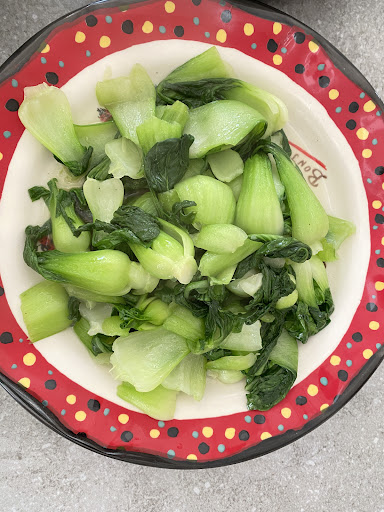
Many postpartum nannies — especially confinement nannies — specialize in preparing traditional recovery meals as part of their daily duties. These meals follow the principles of zuo yue zi and are designed to support the mother’s healing after birth. A confinement nanny typically prepares two to three meals and multiple soups and teas per day, all made from scratch with warming ingredients. Meal preparation can be arranged for the mother alone or for the entire household. If recovery meal preparation is important to your family, let us know during the consultation so we can match you with a nanny experienced in this area.
What foods are typically prepared during Chinese confinement?
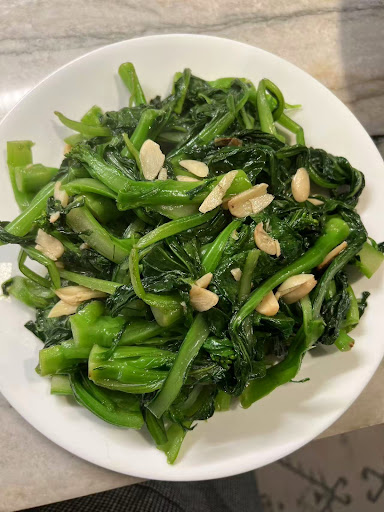
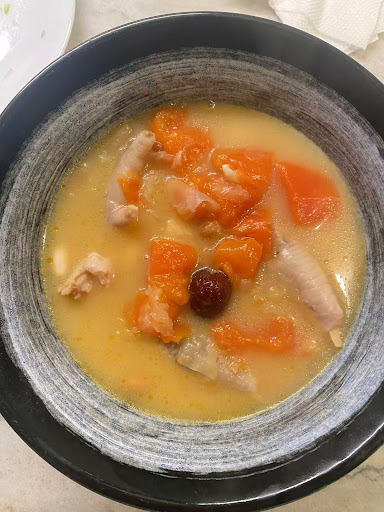
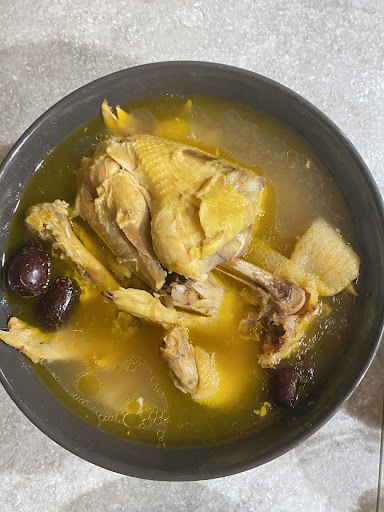
Traditional confinement meals emphasize warming, nutrient-dense foods believed to replenish the mother’s energy and support healing. Common dishes include sesame oil chicken, ginger-based stir-fries, pork rib soups, fish soups with papaya or lotus root, red date and goji berry teas, and herbal broths prepared with traditional Chinese ingredients. Foods that are considered “cooling” — raw vegetables, cold drinks, and certain fruits — are typically avoided or limited during the first 30 days. The confinement nanny adjusts meals weekly based on where the mother is in her recovery. These are not restrictive diets — they are nutrient-rich, intentionally prepared meals designed to support milk production, energy, and physical recovery.
Can a postpartum nanny prepare meals for the whole family?
Yes. Many confinement nannies can prepare meals for the mother and additional family members — including the partner, grandparents, and older children living in the home. Meal preparation for the full household is an add-on that should be discussed during the initial consultation. Keep in mind that the more family members included, the more time the nanny spends cooking, which may affect her availability for other duties during the day. Most families find that preparing meals for one or two additional people works smoothly alongside full newborn care responsibilities.
Do postpartum meals support breastfeeding?
Traditional confinement meals are specifically designed with breastfeeding in mind. The emphasis on warm soups, hydration, protein, and iron-rich foods supports milk production and the mother’s energy levels during the demanding early weeks of nursing. Papaya fish soup, peanut and pork trotter soup, and fenugreek-based teas are among the traditional recipes believed to support lactation. A confinement nanny experienced in breastfeeding support will adjust the meal plan based on the mother’s nursing schedule, milk supply, and dietary preferences. These meals are not a replacement for medical lactation support, but they provide a nutritional foundation that complements breastfeeding.
Newborn Care Support
Can a postpartum nanny help with breastfeeding?
Yes. While a postpartum nanny is not a certified lactation consultant, she can provide meaningful breastfeeding support based on her hands-on experience. This includes helping the mother with positioning and latch during the learning phase, bringing the baby for nighttime nursing sessions, handling burping and settling afterward, and managing bottle preparation for families using pumped breast milk or supplementing with formula. An experienced postpartum nanny has typically supported dozens of breastfeeding mothers and can recognize common challenges early. If you need clinical lactation support, we recommend working with a board-certified lactation consultant alongside your postpartum nanny — the two work well together.
Can a postpartum nanny help establish a newborn sleep routine?
Yes. Establishing healthy sleep habits is a key part of what a postpartum nanny does. She understands newborn sleep patterns — the short cycles, the frequent wake-ups, the difference between active and quiet sleep — and works to create a consistent routine tailored to your baby’s age and temperament. This includes a calming bedtime sequence, safe sleep environment setup, and gentle soothing techniques. Over the course of her engagement, she gradually helps the baby develop longer sleep stretches. Families who want additional tools can use our newborn sleep schedule generator for a week-by-week guide based on your baby’s age.
Can a postpartum nanny help with twins or multiples?
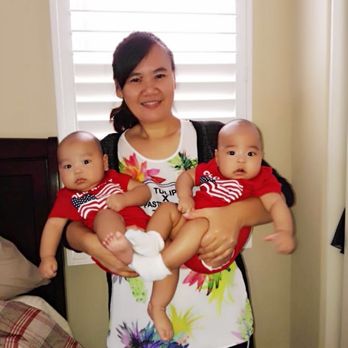
Yes. Many of our postpartum nannies have experience caring for twins and multiples. Two newborns significantly increase the overnight workload and make the postpartum period more demanding for the entire family. A postpartum nanny experienced with multiples understands tandem feeding logistics, synchronized sleep scheduling, and the physical demands of caring for two (or more) babies simultaneously. Families with twins often hire a postpartum nanny for a longer engagement — 60 to 90 days is common — to allow the mother adequate recovery time and to establish manageable routines before the nanny departs. If you are expecting multiples, mention this during your consultation so we can match you with a nanny who has specific multiples experience.
How does a postpartum nanny soothe a fussy or colicky baby?
Experienced postpartum nannies are skilled at calming fussy and colicky newborns. Techniques vary by nanny and by baby, but common approaches include specific swaddling methods, rhythmic motion (rocking, bouncing, or gentle swaying), white noise, skin-to-skin contact, and identifying patterns in the baby’s fussiness — time of day, feeding triggers, or gas discomfort. A nanny who has cared for many newborns has a repertoire of techniques and the patience to find what works for your baby specifically. She also helps parents learn these techniques so they feel confident when the engagement ends.
Will a postpartum nanny teach us how to care for our baby?
Yes. Knowledge transfer is an important part of any postpartum nanny engagement, especially for first-time parents. Over the course of her time with your family, the postpartum nanny demonstrates and explains newborn care essentials — safe bathing techniques, feeding cues, diaper care, soothing methods, and sleep environment setup. She does not simply take over; she builds your confidence and competence so you feel prepared to care for your baby independently once the engagement ends. Many parents describe the postpartum nanny as the bridge between leaving the hospital and feeling capable on their own.
Looking for Postpartum Support?
Complete the family registration form and a member of our team will reach out to schedule a consultation — where we can answer any question specific to your family’s situation and timeline.
Background-checked caregivers · Replacement guarantee · Nationwide placement since 2011
Scheduling and Length of Service
How long should I hire a postpartum nanny?
Most families hire a postpartum nanny for 30 to 42 days — a range that aligns with the traditional Chinese confinement period, or zuo yue zi. Shorter engagements of 26 days work well for mothers with strong family support at home. Longer bookings of 60 to 90 days are common after C-sections, with twins or multiples, or when the mother wants extended recovery and newborn care help before transitioning to independence. Some families start with a shorter engagement and extend once the nanny is in the home. The right duration depends on your birth plan, feeding goals, and how much help you have available. Visit our hire a confinement nanny page for guidance on choosing the right length, or use our postpartum care cost calculator for a personalized estimate based on your preferred duration.
When should I start looking for a postpartum nanny?
We recommend beginning your search two to four months before your due date. Experienced postpartum nannies — especially those who specialize in confinement care — book up quickly, and starting early gives you the widest selection of candidates and time for thorough interviews. For families expecting twins, planning a C-section, or needing a nanny during peak birth seasons (spring and fall), starting even earlier is advisable. If your baby has already arrived and you need help urgently, contact us — we do our best to accommodate last-minute placements based on availability in your area.
What schedule does a postpartum nanny follow?
Most postpartum nannies are live-in, meaning they are present in your home around the clock for the duration of the engagement. A typical day includes daytime newborn care and — for confinement nannies — meal preparation, followed by full overnight coverage. Postpartum nannies usually receive a rest period during the day when the baby sleeps, and they typically take one day off per week (often coordinated with the family). If you prefer a non-live-in arrangement or a modified schedule, discuss this during your consultation so we can match you with a nanny whose schedule expectations align with yours.
What schedule does a postpartum nanny follow?
Most postpartum nannies are live-in, meaning they are present in your home around the clock for the duration of the engagement. A typical day includes daytime newborn care and — for confinement nannies — meal preparation, followed by full overnight coverage. Postpartum nannies usually receive a rest period during the day when the baby sleeps, and they typically take one day off per week (often coordinated with the family). If you prefer a non-live-in arrangement or a modified schedule, discuss this during your consultation so we can match you with a nanny whose schedule expectations align with yours.
Can I extend the engagement if I need more time?
Yes. Many families decide to extend their postpartum nanny’s stay once they experience the support firsthand. Extensions depend on the nanny’s availability — if she has another family booked immediately after your engagement, an extension may not be possible. To improve your chances of extending, let your placement coordinator know as early as possible that you are considering additional time. We also recommend booking a slightly longer engagement upfront if you think you might want flexibility, since it is easier to end early than to extend later.
Living Arrangements and Preparing Your Home
Do postpartum nannies live with the family?
Most postpartum nannies are live-in for the duration of the engagement — typically 26 to 90 days. The nanny sleeps in or near the baby’s room so she can respond to overnight wake-ups without delay. She lives in your home, eats meals with the family (or prepares her own), and is available throughout the day and night. Live-in arrangements are standard for postpartum care because the newborn period requires around-the-clock support. Live-in rates are typically lower than equivalent live-out hourly rates because room and board are provided by the family.
What sleeping arrangements do I need to provide?
Your postpartum nanny needs a clean, private sleeping space — ideally in or near the baby’s room for efficient overnight care. A dedicated guest room works well, but many families set up a comfortable bed or daybed in the nursery itself. She should have access to a bathroom, a place to store personal belongings, and reasonable privacy during her rest periods. The space does not need to be elaborate, but it should be clean, quiet, and comfortable. If your home has limited space, discuss options during the consultation — experienced nannies are adaptable and can work with a variety of living arrangements.
How do I prepare my home for a postpartum nanny?
Practical preparation makes the transition smoother for everyone. Before the nanny arrives, set up a clean sleeping area for her near the baby’s room, stock the kitchen with basic groceries (your nanny may provide a specific grocery list for confinement meals), prepare baby essentials (diapers, wipes, bottles, formula if applicable, swaddles), and clear a workspace in the kitchen if she will be cooking recovery meals. Most importantly, have an open conversation with your nanny about household preferences, schedules, and expectations before her first day. A brief orientation — where things are, your family’s routines, any dietary restrictions — helps her settle in quickly and begin providing care immediately.
Will having a live-in postpartum nanny affect our privacy?
This is a common concern, especially for first-time parents. Experienced postpartum nannies understand the importance of giving families space and privacy. During her rest periods, she will typically retreat to her room. When she is working, her focus is on the baby and the mother’s recovery — not on being present in every room. Most families find that by the end of the first week, having the nanny in the home feels natural and the benefits of round-the-clock support far outweigh any initial adjustment. Clear communication about boundaries and preferences at the start of the engagement helps set the right tone.
Hiring Through My Asian Nanny
How does the postpartum nanny matching process work?
Our placement process has seven steps. You begin by completing the family registration form. We schedule a consultation call to understand your needs — due date, care preferences, language requirements, dietary expectations, and budget. Our team then matches you with vetted candidates from our network who meet your criteria. You interview each candidate we present (in person or by video) and select the nanny who is the best fit. The nanny begins working in your home on your start date, and we provide ongoing support throughout the engagement, backed by a replacement guarantee. Visit our placement process page for a detailed step-by-step walkthrough.
How experienced are your postpartum nannies?
Our postpartum nannies are experienced professionals, not entry-level caregivers. Most have cared for dozens of newborns and mothers across a range of situations — first-time parents, C-section recoveries, twins, breastfeeding challenges, and complex family dynamics. Many have 10 or more years of dedicated postpartum care experience. Every candidate goes through our screening process before being presented to any family: background check, reference verification from previous families, and a detailed interview with our placement team. We evaluate experience level, caregiving skills, temperament, and reliability — and we only present candidates we would trust with our own families. Read what past families say on our testimonials page.
How much does a postpartum nanny cost?
Postpartum nanny rates typically range from $250 to $390 per day, depending on your location, the nanny’s experience, and the scope of services (newborn care only vs. newborn care plus confinement meal preparation). All placements include a one-time 10% referral fee — there are no recurring agency fees, monthly charges, or hidden costs. For a 30-day engagement, total costs typically fall between $8,250 and $12,870 including the referral fee. Use our postpartum care cost calculator for a personalized estimate based on your preferred duration, location, and service scope.
Can I interview postpartum nanny candidates before hiring?
Yes. You interview every candidate we present before making any commitment. Interviews can take place at our office in Monterey Park, California, or by video for families outside the area. We provide guidance on what to ask and what to look for — especially helpful for families hiring a postpartum nanny for the first time. Topics worth covering in the interview include the nanny’s experience with newborns your baby’s age, her approach to overnight care, breastfeeding support style, meal preparation experience (if applicable), and references from previous families. You are never required to accept a candidate you are not comfortable with.
Do you place postpartum nannies outside of California?
Yes. While our headquarters is in Monterey Park, California, and we have the strongest placement networks in Southern California and the San Francisco Bay Area, we also place postpartum nannies in other states. Availability outside California depends on our network density in your area and the specific requirements of your engagement. Visit our families FAQ for information about all the services we offer, or contact us directly to discuss availability in your location.
Safety, Trust, and Guarantees
How do you screen postpartum nanny candidates?
Every postpartum nanny in our network goes through a multi-step screening process before being presented to any family. This includes a comprehensive background check, reference verification from previous employers and families, and a detailed in-person or video interview conducted by our placement team. We assess each candidate’s newborn care experience, postpartum recovery knowledge, temperament, communication skills, and reliability. For confinement nannies, we also evaluate their meal preparation skills and familiarity with traditional recovery practices. Our screening criteria are specific to the postpartum care role — not a generic caregiver checklist. For a full overview of our vetting process, visit our process page.
What happens if the postpartum nanny is not a good fit?
Every placement is backed by a replacement guarantee. If the postpartum nanny is not the right match for your family — for any reason — we find a replacement at no additional referral fee. You do not need to start the process over from scratch. Our team works to identify a better-suited candidate based on the specific feedback from your experience. The replacement guarantee for postpartum nanny placements covers the full booking duration — whether that is 26 days, 42 days, or 90 days. The goal is to find the right fit, not just fill the role.
Is my family’s information kept confidential?
Yes. We treat your family’s personal information, address, health details, and care preferences as strictly confidential. Information is shared only with candidates you choose to interview and only to the extent necessary for the matching process. We do not publish family details, share them with third parties, or use them for marketing purposes. Your privacy and your family’s safety are foundational to how we operate.
What Families Say
Join 1,000+ families who’ve trusted us with their postpartum care.