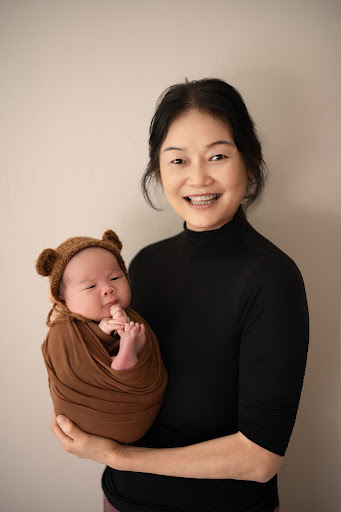
Chinese Postpartum Confinement Rules: The 40-Day Guide to Zuo Yue Zi Recovery
★ Trusted since 2011
★ Background Checked & Vetted
🛡 60-90 Day Nanny Replacement Guarantee
📍 California & Nationwide Placements
Quick Answer
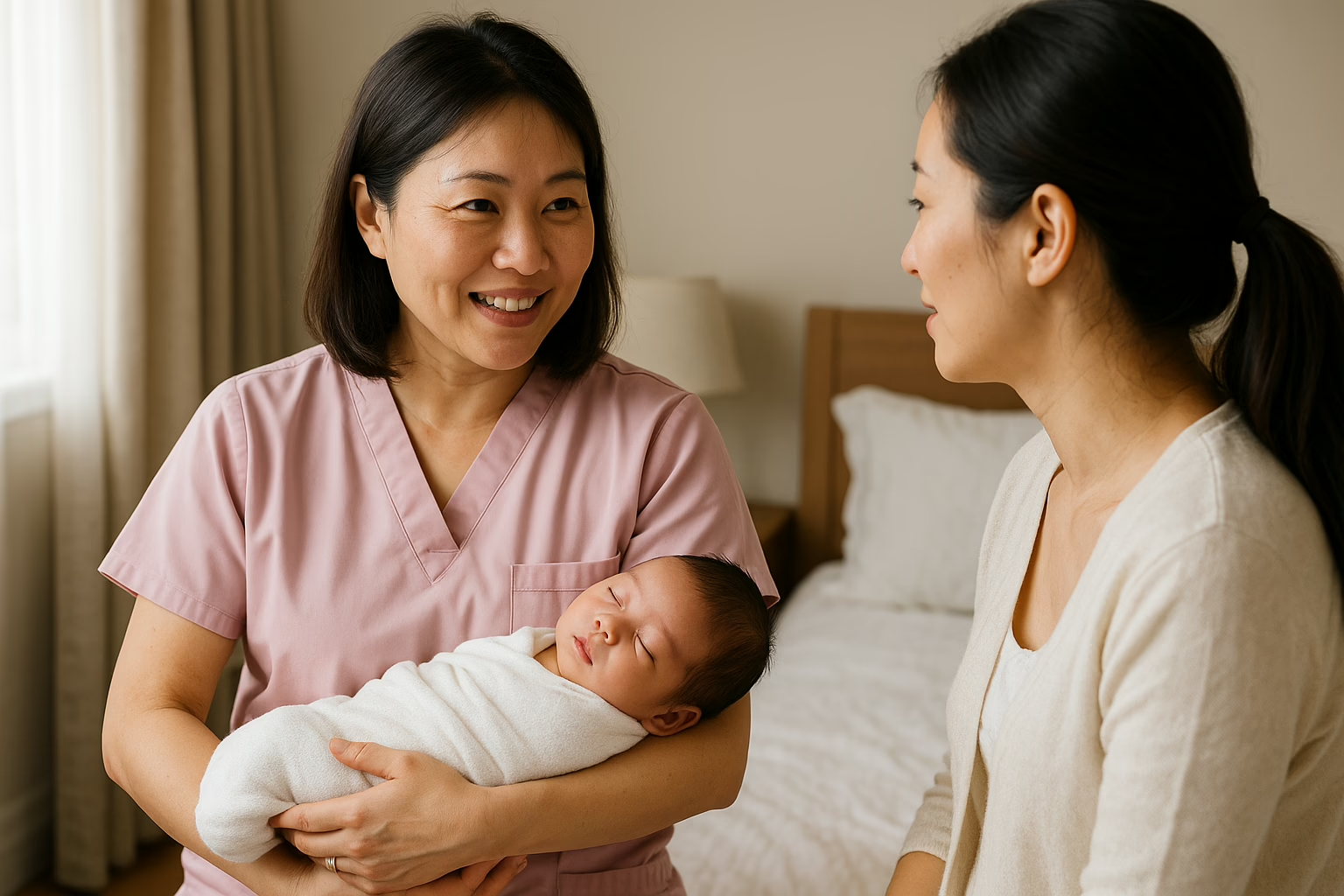
Chinese postpartum confinement rules (坐月子, zuò yuè zi) guide a mother through 30 to 40 days of structured recovery after childbirth. The core principles: stay warm, eat nourishing foods, rest as much as possible, limit visitors and outings, and accept dedicated support — typically from a confinement nanny or family elder. These rules are not rigid medical prescriptions. They are a cultural framework that gives the postpartum recovery period daily structure, which many mothers find more practical than generic advice to “take it easy.”
Every culture has some version of postpartum rest. In Chinese tradition, that rest period has a name, a timeline, a set of dietary practices, and an entire caregiving model built around it. Zuo yue zi — “sitting the month” — has been practiced across Chinese communities for over a thousand years. The rules have evolved, but the underlying logic has not: a mother who rests well, eats well, and receives proper support in the first month recovers faster, bonds more deeply with her baby, and faces fewer complications in the weeks and months that follow.
Research supports this. The American College of Obstetricians and Gynecologists (ACOG) recommends limiting activity for at least six weeks after delivery and emphasizes that adequate sleep, nutrition, and social support significantly reduce the risk of postpartum depression. A 2022 review published in Nutrients found that traditional postpartum dietary practices — including the warming, nutrient-dense meals central to Chinese confinement — are associated with improved maternal recovery outcomes and higher breastfeeding success rates.
This guide walks through the traditional confinement rules that Chinese families have followed for generations, explains which ones modern families tend to adapt, and outlines how a Chinese postpartum nanny makes the whole process manageable. Whether you plan to observe strict confinement or take a flexible, modern approach, understanding these rules will help you prepare for a stronger recovery.
What Is the 40-Day Rule After Birth?

The “40-day rule” refers to the traditional Chinese postpartum confinement period — a structured recovery window that begins immediately after delivery and lasts between 30 and 40 days (some families extend to 60 days, particularly after cesarean births). During this time, the new mother follows a set of practices designed to restore her body, protect her from illness, and support the transition into parenthood.
The 40-day timeline is not arbitrary. In traditional Chinese medicine (TCM), childbirth depletes the body’s qi (vital energy) and blood, and leaves the body in a “cold” state that is vulnerable to wind, dampness, and fatigue. The confinement period allows the body to replenish these losses through warmth, rest, and targeted nutrition. Practically speaking, this timeline closely mirrors the six-week recovery period that Western OB-GYNs recommend — a coincidence that speaks to the underlying physiological reality both traditions recognize.
What makes Chinese confinement distinct is its specificity. Rather than vague advice to “rest and eat well,” confinement rules prescribe what to eat, what to avoid, how to manage temperature, when to limit activity, and who should provide support. That structure is what many families — Chinese and non-Chinese alike — find most valuable.
Traditional Confinement Rules: What to Do and What to Avoid
Confinement rules fall into two categories: practices that mothers are encouraged to follow, and activities they are traditionally told to avoid. Not every family observes every rule — and that is perfectly fine. What matters is understanding the intent behind each rule so you can decide which ones serve your recovery.
What Mothers Are Encouraged to Do

- Rest as much as possible. Sleep when the baby sleeps. Avoid unnecessary physical exertion. The first two weeks especially should be spent primarily in bed or resting nearby. This aligns with the opening phase of the 5-5-5 rule — five days in bed, five days on the bed, five days near the bed.
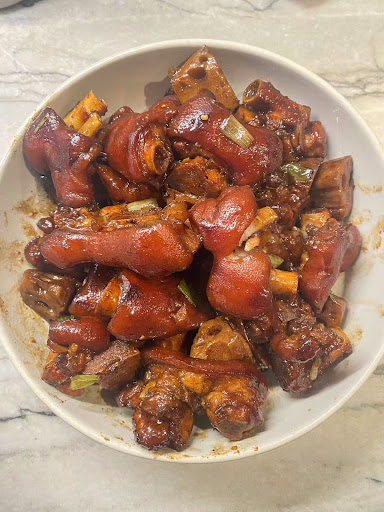
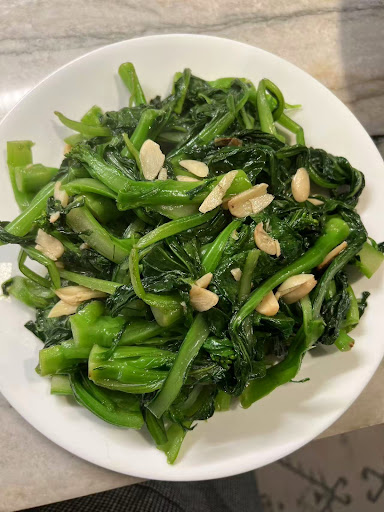
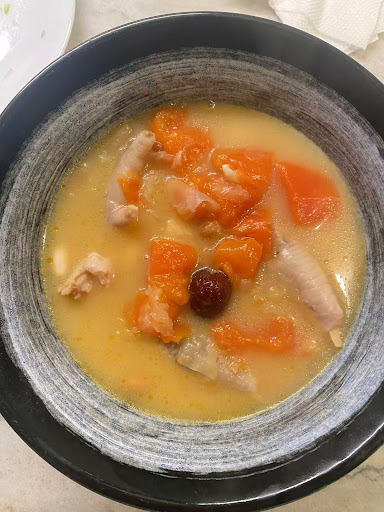
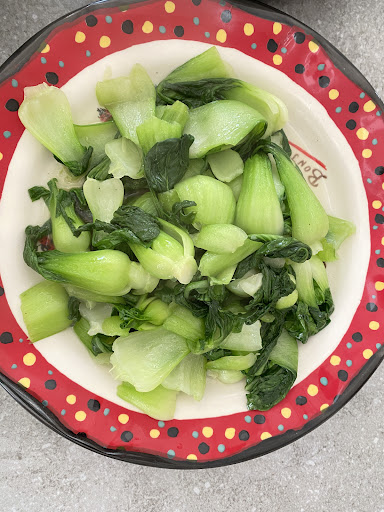
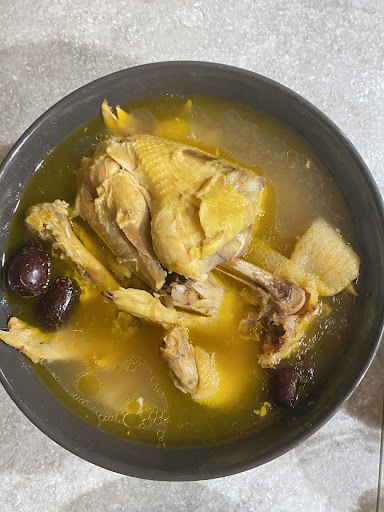
- Eat warming, nutrient-dense foods. Confinement meals emphasize soups, broths, ginger, sesame oil, red dates, and proteins like chicken and fish. These foods are chosen for their warming properties in TCM and their ability to support blood production, milk supply, and energy restoration. See our full guide to Chinese postpartum meals and confinement foods.
- Stay warm. Wear socks and long sleeves, even indoors. Keep the room at a comfortable temperature. Drink warm or hot liquids exclusively. The principle: protect the body from “cold” intrusion during the vulnerable postpartum window.
- Accept help. Confinement is not meant to be done alone. Traditionally, the mother’s own mother or mother-in-law provided daily support. Today, many families hire a confinement nanny — a dedicated caregiver trained in both newborn care and postpartum recovery support — to fill that role.
- Limit visitors. The first two weeks are for bonding and recovery, not socializing. Many families restrict visitors during this period to reduce the mother’s stress, protect the newborn from germs, and preserve the calm environment that recovery requires.
- Focus on bonding. Skin-to-skin contact, breastfeeding, and quiet time with the baby are prioritized. Confinement creates the space for this by removing the competing demands of cooking, cleaning, and entertaining.
What Mothers Are Traditionally Told to Avoid
- Cold water and cold food. Traditional rules prohibit drinking cold water, eating raw or cold foods (including salads and uncooked fruit), and washing hands in cold water. The reasoning in TCM: cold entering the body during the postpartum period can cause joint pain, digestive issues, and slow recovery.
- Showering and hair washing (traditional rule). Historically, mothers were told to avoid bathing and washing their hair for the entire confinement period. This rule originated in an era before indoor plumbing and heated water. Modern families adapt this: most shower daily with warm water in a warm bathroom and dry off immediately.
- Going outside. Traditional rules discourage leaving the house during confinement, particularly in the first two weeks. The logic: exposure to wind, cold, and sun depletes the recovering body. Practically, this also ensures the mother rests instead of returning to obligations too early.
- Strenuous activity and exercise. No heavy lifting, no intense exercise, no climbing stairs excessively. Light walking within the home is acceptable after the first week for most mothers — but the emphasis is always on rest over activity.
- Crying and emotional stress. Traditional rules advise against crying or emotional strain during confinement, as this is believed to weaken the eyes and the body’s recovery capacity. The underlying message — protect your emotional state and ask for help when overwhelmed — is universally sound advice.
- Sexual activity. Most confinement guidelines — and Western medical guidelines alike — recommend waiting at least six weeks before resuming sexual activity postpartum to allow time for physical healing.
Which Rules Do Modern Families Actually Follow?
Most families we work with at My Asian Nanny take a blended approach. They keep the rules that align with medical evidence and personal comfort, and they adapt or skip the ones that feel impractical or overly restrictive. There is no penalty for flexibility — the confinement framework works because it structures recovery, not because every detail must be followed to the letter.
| Traditional Rule | Modern Adaptation | Most Families |
|---|---|---|
| No cold food or drinks | Warm or room-temperature food and drinks; occasional fruit if warmed or stewed | Follow closely |
| No showering | Warm showers in a warm room; dry immediately | Shower daily |
| No going outside | Stay home for first 2 weeks; brief outings after week 3 if feeling strong | Mostly follow |
| Warming confinement meals | Traditional meals with personal tweaks (less ginger, lighter broths) | Follow closely |
| No hair washing | Wash hair with warm water; blow dry immediately | Wash regularly |
| Complete bed rest | Prioritize rest; light walking within home after first week | Mostly follow |
| Limit visitors | Restrict visitors in week 1–2; selective visits after | Follow closely |
From Our Placement Experience
The families who feel most confident about confinement are the ones who discussed rules and preferences before the baby arrived — especially when grandparents have strong opinions about tradition. An experienced confinement nanny can bridge generational differences and help the whole family agree on an approach that works.
Confinement After a Cesarean Delivery
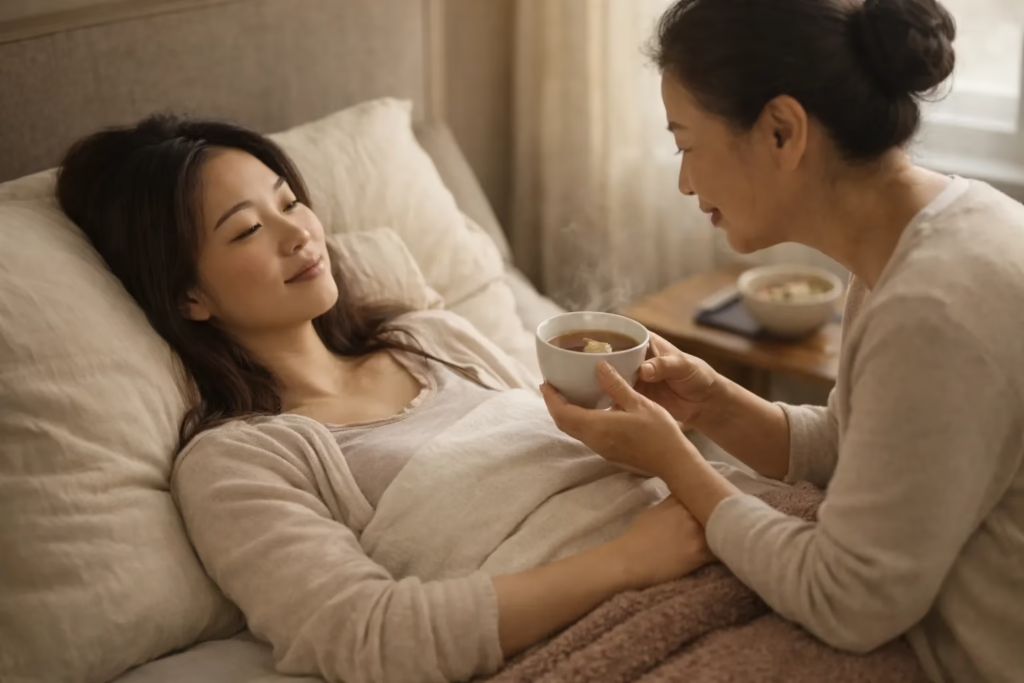
Cesarean recovery requires additional rest, and most confinement nannies adjust their approach accordingly. After a C-section, the standard recommendation from OB-GYNs is six to eight weeks of limited activity — which means the confinement period often extends to 60 days rather than 40. The dietary emphasis shifts slightly toward iron-rich, blood-building foods in the first two weeks, and physical movement is introduced even more gradually.
Practical adjustments include helping the mother get in and out of bed (abdominal pressure makes this difficult in the first week), managing incision care reminders, and ensuring meals are easy to eat in bed during the days when standing for long periods is not feasible. My Asian Nanny regularly places confinement nannies for C-section recoveries, and we recommend discussing surgical recovery specifics during the matching process so your nanny arrives fully prepared.
Planning Your Confinement?
Tell us your due date, location, and preferences. We match you with experienced, background-checked confinement nannies — most families receive profiles within one week.
60-90 day replacement guarantee · Quick & easy to get started · California & nationwide
What Does a Typical Confinement Day Look Like?
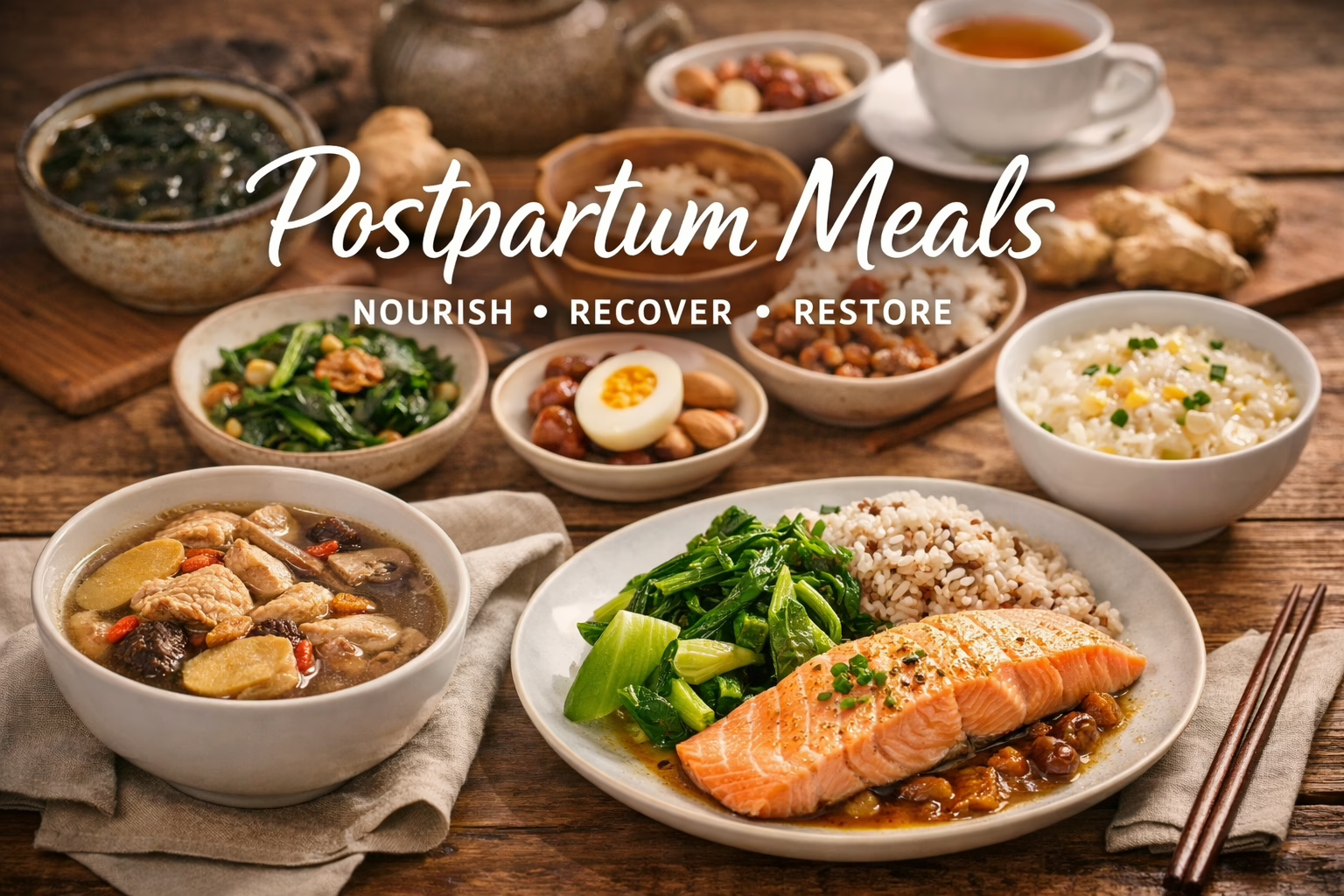
A confinement day is built around three things: feeding (both mother and baby), rest, and meals. When a confinement nanny is present, the day has a clear rhythm that keeps the mother’s recovery on track without requiring her to manage anything.
Early Morning · 6–8 AM
The nanny handles the baby’s morning feed and diaper change. She prepares a warm breakfast for the mother — typically congee with ginger, or millet porridge with red dates. The mother eats and rests while the nanny bathes the baby and starts baby laundry.
Mid-Morning · 9–11 AM
A warming soup or herbal tea is served. The mother may breastfeed or pump. Light bonding time with the baby. The nanny monitors feeding patterns and notes any changes in the newborn’s routine.
Lunch · 12–1 PM
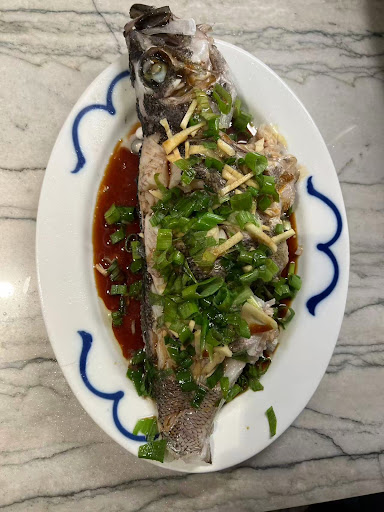
The main midday meal — sesame oil chicken, pork rib soup with lotus root, or steamed fish with ginger. Prepared from scratch by the nanny using traditional confinement ingredients.
Afternoon · 2–5 PM
Rest period for both mother and baby. An afternoon snack and tea. The nanny prepares dinner ingredients and handles baby care. If the mother feels well enough, brief seated visitors may come during this window.
Dinner · 6–7 PM
The most substantial meal of the day. Multiple dishes, a soup course, and a warming drink. The nanny cleans the kitchen afterward and begins the baby’s evening routine.
Overnight · 9 PM–6 AM
The nanny takes over full overnight care. She handles all feeds, diaper changes, and soothing. For breastfeeding mothers, she brings the baby to nurse, then manages everything afterward. Parents sleep in 4–6 hour stretches — the single most impactful element of confinement nanny support.
Why Confinement Rules Focus on Warmth and Diet

The two pillars of Chinese confinement rules — warmth and diet — stem from traditional Chinese medicine’s understanding of postpartum recovery. After childbirth, the body is considered to be in a depleted, “cold” state. Blood loss, fluid shifts, and the energy expenditure of labor and delivery leave the mother vulnerable. The confinement framework addresses this through deliberate warming — from the food she eats to the temperature of her environment.
Confinement meals are not just about calories. Each ingredient serves a purpose: ginger promotes circulation and warming. Sesame oil provides healthy fats and is considered warming in TCM. Red dates build blood. Goji berries restore energy. Bone broths deliver collagen, protein, and minerals that support tissue repair. A 2022 review in Nutrients found that many traditional postpartum dietary practices — including those central to Chinese confinement — correlate with improved recovery markers and higher breastfeeding initiation rates.
The warmth rules — wearing socks, avoiding cold drinks, keeping the room comfortable — are extensions of the same principle. Whether or not you subscribe to TCM theory, the practical effect is straightforward: a warm, well-nourished, well-rested mother recovers faster. That is not just tradition. It is physiology.
How a Confinement Nanny Supports the Recovery Period
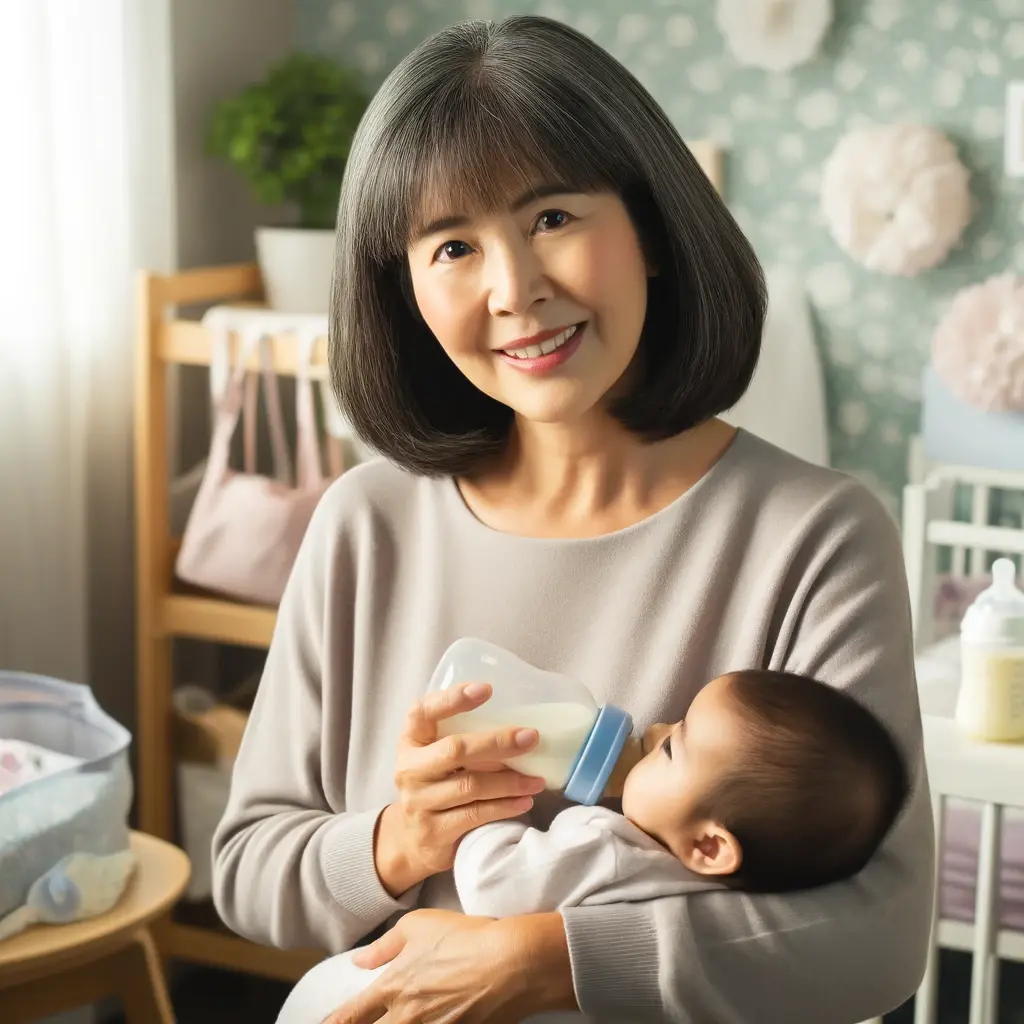
Following confinement rules is considerably easier when someone is there to manage the daily logistics. That is the role of a Chinese postpartum nanny (yue sao) — a live-in caregiver trained specifically in postpartum recovery and newborn care.
A confinement nanny handles the four areas that determine whether confinement works or falls apart:
- 24/7 newborn care. Overnight feeds, diaper changes, bathing, soothing, and sleep training foundations. The nanny handles every wake-up so parents can sleep in sustained stretches.
- Confinement meal preparation. Three full meals and two to three soups and teas per day — all from scratch, using traditional warming ingredients adjusted to where the mother is in her recovery.
- Mother’s recovery support. Practical assistance with breastfeeding positioning, recovery monitoring, hygiene support, and emotional reassurance from someone who has guided hundreds of families through this exact phase.
- Baby-related household tasks. Baby laundry, bottle sterilization, nursery maintenance, and kitchen cleanup after meals. Her scope stays focused on the baby and mother — not general housekeeping.
Families who want to learn more about finding the right nanny can visit our guide on how to hire a confinement nanny. For cost information, see confinement nanny costs.
How Long Should Confinement Last?
The traditional answer is 30 to 40 days. The practical answer depends on your delivery type, recovery speed, and how much support you have at home.
| Duration | Best For | What to Expect |
|---|---|---|
| 26 days | Uncomplicated vaginal delivery with family support | Covers the most critical recovery phase; mother should feel significantly stronger by the end |
| 40 days | Full traditional confinement; most common booking | Aligns with the traditional zuò yuè zi period; allows a complete dietary and rest cycle |
| 60+ days | C-section recovery, multiples, extended overnight support | Provides the extended recovery time that surgical births require; maintains meal and sleep support through the hardest transition |
You can start with a shorter booking and extend if needed. Many families begin with 26 days and add a second engagement once they experience the value of overnight support and daily confinement meals. For detailed guidance, read our article on how long to book a confinement nanny.
How to Prepare for the Confinement Period

Preparation makes the difference between a confinement period that feels restorative and one that feels chaotic. Most families find that addressing a few key areas before the baby arrives dramatically reduces stress in the first week.
1
Book your confinement nanny early
Start the hiring process 2 to 4 months before your due date. Experienced confinement nannies book quickly, especially during peak birth seasons in spring and fall. See our guide on when to start booking.
2
Discuss confinement preferences with family
Talk with your partner, parents, and in-laws about which rules you plan to follow, which ones you will adapt, and how you want to handle visitors. Having this conversation before the baby arrives prevents conflict during the most vulnerable recovery weeks.
3
Prepare your home
Set up a recovery station near the baby — everything within arm’s reach. Stock your pantry with confinement staples: ginger, sesame oil, rice wine, red dates, dried longan, and bone broth ingredients. Prepare a sleeping area for the nanny if you are hiring one.
4
Align expectations with your nanny
During the matching process, discuss daily schedules, meal preferences, cultural practices, feeding approach (breast, bottle, or combination), sleeping arrangements, and any specific recovery concerns.
5
Plan for mental health support
Have your OB-GYN and pediatrician contacts readily available. Discuss warning signs of postpartum depression with your partner. A 2023 systematic review in BMC Pregnancy and Childbirth found that the quality of postpartum social support — not just its presence — is the strongest predictor of positive maternal mental health outcomes.
Confinement Practices and Mental Health

The relationship between confinement practices and postpartum depression is more nuanced than either tradition or modern skepticism might suggest. Research from the World Health Organization (WHO) identifies adequate rest, good nutrition, and reliable social support as three of the strongest protective factors against perinatal mood disorders. When confinement provides these — through a caring nanny, nourishing meals, and genuine rest — the effect on maternal wellbeing can be profoundly positive.
But confinement can also create stress when applied rigidly. Overly strict rules enforced by well-meaning but inflexible family members, isolation from friends, loss of autonomy, and cultural pressure to “perform” motherhood a certain way can all undermine mental health. The key variable is not whether a family observes confinement but how they observe it — and whether the mother feels supported or controlled.
This is one of the reasons many families choose a professional confinement nanny over relying solely on extended family. A trained nanny brings expertise without the emotional complexity of family dynamics. She follows the parents’ lead, adapts to their comfort level, and provides consistent, professional care without generational conflict.
Comparing Postpartum Support Options
Families exploring confinement often compare it to other forms of postpartum support. Here is how the main options differ:
| Feature | Confinement Nanny | Night Nurse | Postpartum Doula |
|---|---|---|---|
| Live-in | Yes — 24/7 | Overnight only | Visit-based |
| Overnight newborn care | Full coverage | Full coverage | No |
| Confinement meals | 5–6 meals/day | No | No |
| Maternal recovery focus | Physical + emotional | Limited | Emotional focus |
| Cultural confinement expertise | Yes | No | No |
| Duration | 26–60+ days | Weeks to months | Weeks (visits) |
Some families combine services — a confinement nanny for the first 30–40 days, then a night nurse for the second month. For a detailed breakdown, see our guide on the difference between a doula and a confinement nanny.
Ready to Plan Your Recovery?
Our team has helped over 1,000 families prepare for confinement. Tell us about your family and we will match you with experienced, vetted confinement nannies.
Background-checked & vetted nannies · 60-90 day replacement guarantee · Serving California & nationwide
Frequently Asked Questions
Is the 40-day confinement rule medically necessary?
Not as a strict medical requirement — but the timeline closely matches the six weeks of limited activity most OB-GYNs recommend after delivery. The structure of confinement gives that recovery period a clear daily framework that many mothers find easier to follow than open-ended advice to rest.
Can I shower during confinement?
Yes. Most families today shower with warm water in a warm bathroom and dry off immediately. The traditional restriction was about preventing cold exposure, and modern adaptations address that concern while maintaining hygiene. Many confinement nannies help prepare the bathroom ahead of time so the mother can shower comfortably.
Do I have to follow every traditional rule?
No — and most families do not. An experienced confinement nanny can help you decide which practices matter most to your family and where flexibility makes sense. There is no single correct way to observe confinement.
What if my family disagrees about which rules to follow?
This comes up more often than you might expect — especially when grandparents feel strongly about tradition. Discuss preferences before the baby arrives. A confinement nanny who has worked with many families can often bridge generational differences calmly and without conflict.
Is confinement only for Chinese families?
No. The core principles — rest, nourishment, warmth, and dedicated support — benefit families of any cultural background. My Asian Nanny regularly works with mixed-culture families, non-Chinese families who value the postpartum recovery structure, and families who simply want the practical support a live-in nanny provides.
How is this different from the 5-5-5 rule?
The 5-5-5 rule covers the first 15 days after birth — five days in bed, five days on the bed, five days near the bed. Chinese confinement is longer (30–40+ days) and includes specific dietary, warmth, and cultural practices beyond activity restrictions. Think of the 5-5-5 rule as the opening phase of a full confinement period.
What if I need to go back to work before 40 days?
Many mothers do. The confinement period is a guideline, not a rigid rule. Some families adjust by booking a longer nanny engagement — the nanny continues newborn care and meals even after the mother returns to work, which preserves the overnight support and dietary benefits.
Your Recovery Starts with the Right Support
Tell us about your family and due date. We will match you with an experienced, background-checked confinement nanny who fits your needs, timeline, and cultural preferences.
Trusted since 2011 · 1,000+ families placed · 60-90 day replacement guarantee
What Families Are Saying
Real reviews from Google and Yelp — trusted by 1,000+ families since 2011