Chinese Postpartum Nanny: What a Yue Sao Does, How to Hire, and What It Costs
Ready to find the right postpartum nanny for your family? This guide walks you through everything—from deciding if a postpartum nanny is right for you, to screening, matching, and starting care within weeks.
★ Trusted since 2011
★ Background Checked & Vetted
🛡 60-90 Day Replacement Guarantee
📍 California & 18 States

Quick Answer
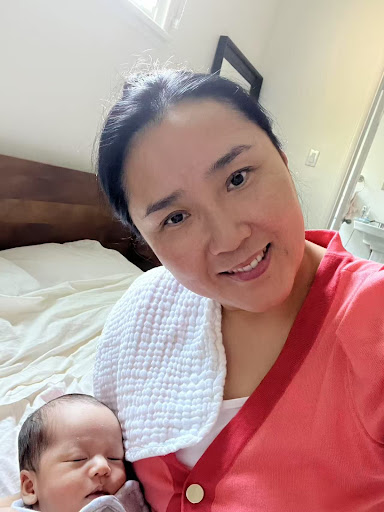
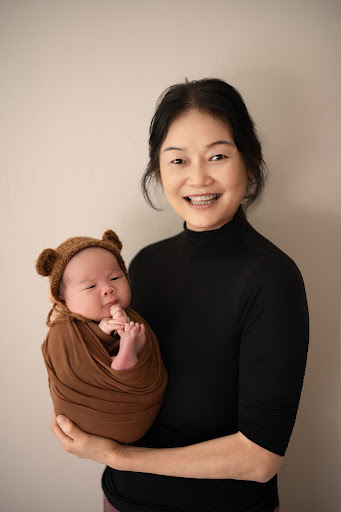
A Chinese postpartum nanny — also called a yue sao (月嫂) — is a live-in caregiver who provides 24/7 newborn care, maternal recovery support, and traditional confinement meal preparation for 26 to 40 days after birth. She handles overnight feeds, diaper changes, breastfeeding guidance, postpartum meals, and light baby-related housekeeping so you can rest and recover. My Asian Nanny has matched over 1,000 families with experienced yue sao across California and 18 states nationwide.
The first month after having a baby is one of the hardest transitions a family will face. Sleep deprivation. Physical recovery. Learning how to care for a newborn while hormonal shifts affect mood, energy, and confidence. Most families do not have the support system they need — and they feel it immediately.
A Chinese postpartum nanny changes that equation entirely. She moves into your home before or shortly after delivery and takes on the overnight care, the feeding support, the cooking, and the newborn management that would otherwise fall on exhausted new parents. The result: you sleep more, heal faster, breastfeed more successfully, and actually have the capacity to bond with your baby instead of just surviving. Research from the American College of Obstetricians and Gynecologists confirms that adequate sleep and support in the postpartum period significantly reduces the risk of postpartum depression and improves maternal outcomes.
At My Asian Nanny, we are a referral agency that matches families with experienced, independent yue sao based on your needs, timeline, location, and preferences. We have been placing confinement nannies for over 10 years across California and nationwide. This guide covers exactly what a Chinese postpartum nanny does, how the hiring process works, what it costs, and how to decide whether this investment is right for your family.
What a Chinese Postpartum Nanny Is — and Why Families Hire One
A Chinese postpartum nanny is a specialized live-in caregiver trained in both newborn care and traditional Chinese postpartum recovery practices. In Mandarin, she is called a 月嫂 (yuè sǎo) — literally “moon sister-in-law” — a title that reflects the traditional 30-day confinement period she supports. In Cantonese communities, she may be called a 陪月 (pui yuet).
Unlike a general babysitter or nanny, a yue sao is specifically trained for the postpartum period. Her expertise covers four areas: 24/7 newborn care, the mother’s physical and emotional recovery, preparation of traditional Chinese confinement meals, and light baby-related household support. She lives in your home for the duration of the confinement period — typically 26 to 40 days — providing round-the-clock care that allows new parents to actually rest.
This is not a luxury service reserved for wealthy families. It is a deeply practical investment in recovery. Almost every family we work with says the same thing after their confinement period ends: the overnight support alone was worth it. The ability to sleep in four- to six-hour stretches during the first month — instead of waking every two hours — changes the entire recovery experience. A 2019 study published in the Journal of Clinical Sleep Medicine found that fragmented sleep in the postpartum period was associated with impaired cognitive function, increased depressive symptoms, and slower physical recovery.
What a Yue Sao Does: The Four Areas of Postpartum Care
1. Newborn Care — Around the Clock
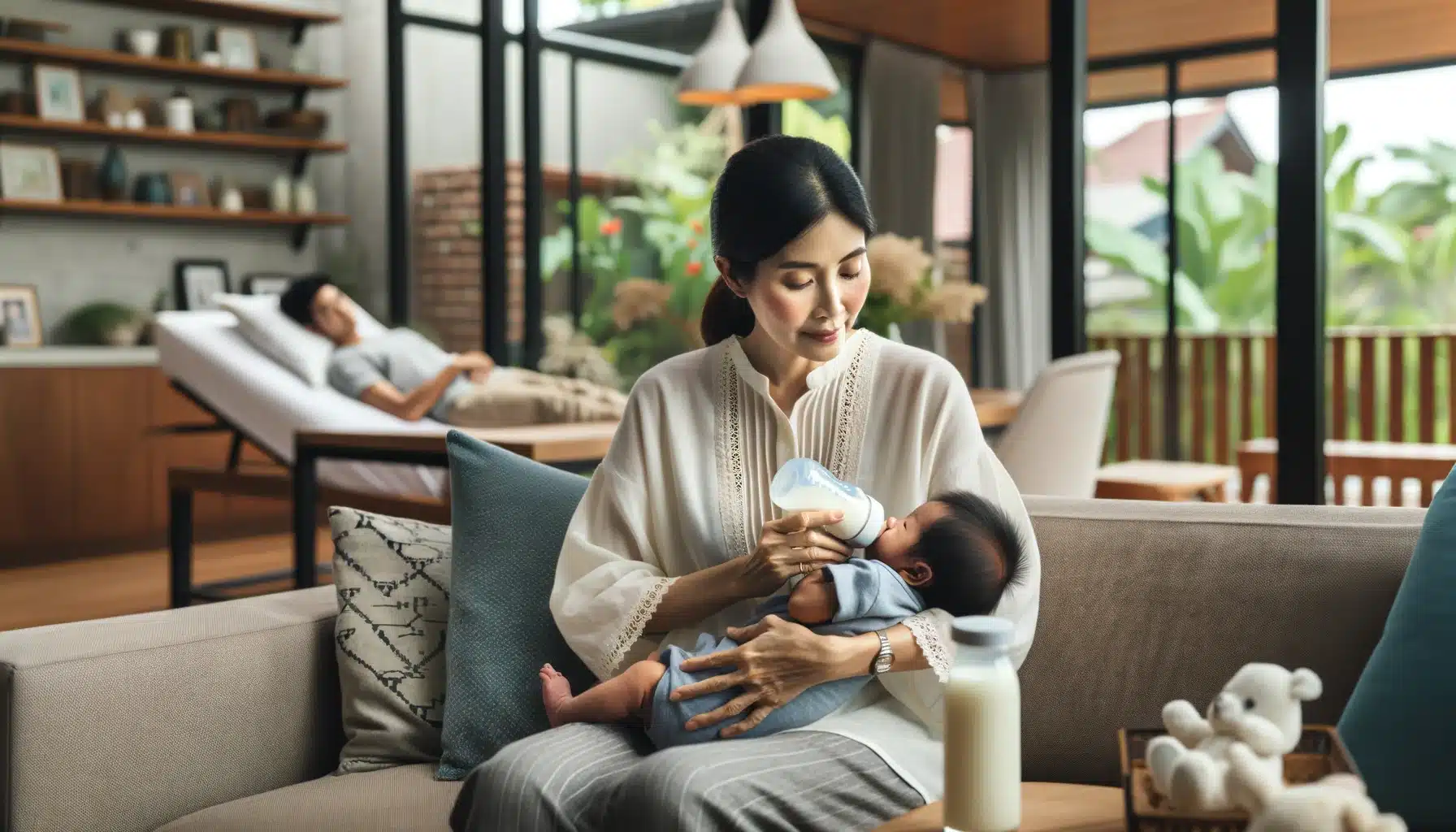
This is the core of what a Chinese postpartum nanny does. From the moment she arrives, she takes on the hands-on daily care of your newborn — overnight and during the day. This includes feeding (bottle preparation, breastfeeding positioning support, and supplementing if needed), diaper changes, bathing, swaddling, soothing, monitoring temperature, umbilical cord stump care, and interpreting your baby’s cries.
At night, the yue sao handles feeds and diaper changes so parents can sleep. This is not occasional help — it is full overnight coverage. She sleeps near the baby and responds to every wake-up. For breastfeeding mothers, she brings the baby to you for nursing and handles everything before and after — burping, diaper change, settling the baby back to sleep. According to the American Academy of Pediatrics, consistent nighttime caregiving routines help establish healthier infant sleep patterns within the first month of life.
Newborn Sleep Routines During Confinement
During the traditional confinement period, one of the most important responsibilities of a confinement nanny is helping establish healthy newborn sleep habits. Because newborns wake frequently for feeding and comfort, many parents feel overwhelmed trying to create a routine on their own.
Parents can use our newborn sleep schedule generator to understand typical newborn wake windows and see a sample baby sleep schedule based on age. This helps families better visualize what a newborn’s day might look like during the first months.While every baby develops their own rhythm, having a general newborn sleep schedule can make the early weeks feel more manageable and help parents decide if additional overnight support would be helpful.
What Families Tell Us
“The overnight care was the single most valuable part. We could actually sleep, and we felt like completely different people by week two.” This sentiment appears in nearly every post-placement feedback we receive across our 1,000+ family placements.
2. Mother’s Physical and Emotional Recovery
A yue sao is not a doctor or nurse, and she does not diagnose or prescribe. But she is experienced in supporting the physical realities of postpartum recovery — helping you manage soreness, navigate breastfeeding challenges, maintain hygiene after a C-section or vaginal delivery, and follow the traditional confinement recovery guidelines that support healing.
Just as importantly, she provides emotional presence. The early postpartum weeks are isolating. Having another adult in the house — one who has seen hundreds of families through this same phase — provides reassurance that what you are experiencing is normal, that your baby is healthy, and that the exhaustion is temporary. That reassurance is not something you can find in a book or an app. The National Institute of Mental Health identifies social support and adequate rest as two of the most protective factors against perinatal mood disorders — both of which a yue sao directly provides.
3. Confinement Meal Preparation
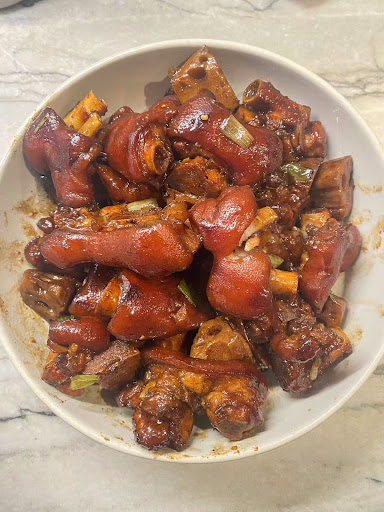
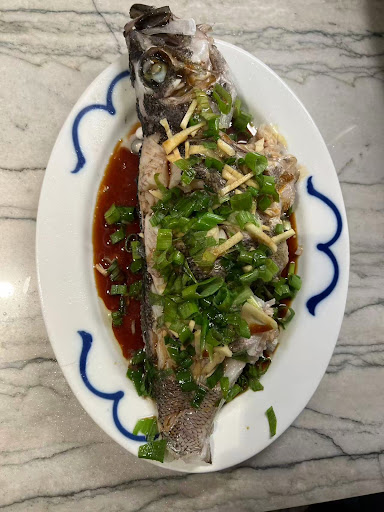
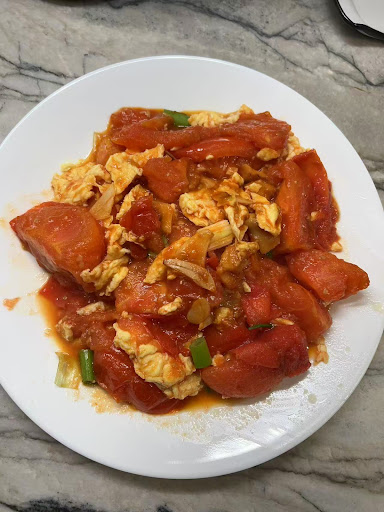
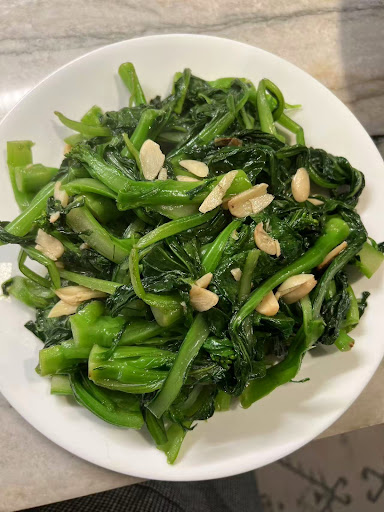
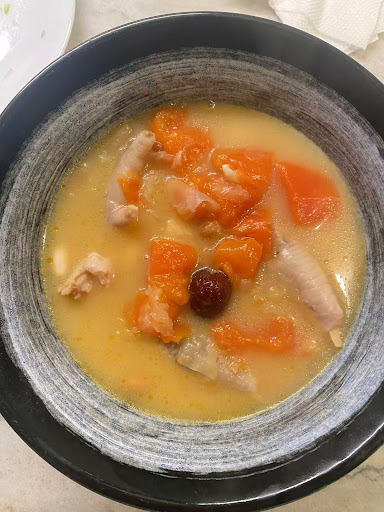
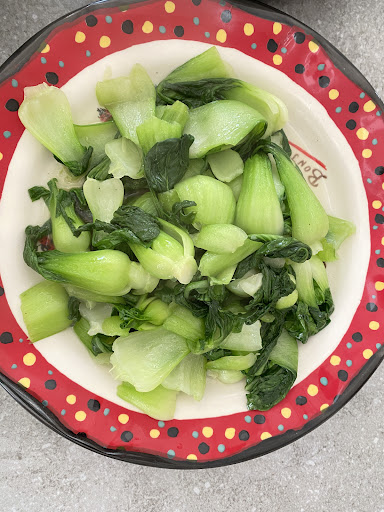
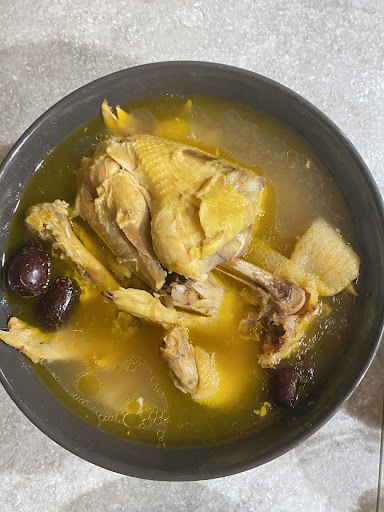
Traditional Chinese confinement meals are a cornerstone of postpartum recovery in Chinese culture. A yue sao prepares three full meals and two to three soups and teas per day — all from scratch, using warming ingredients, medicinal herbs, and nutrient-dense proteins designed to support healing, milk production, and energy restoration.
Meals are tailored to where you are in your recovery. The first week emphasizes gentle, easily digestible foods. By week two, blood-building and energy-restoring ingredients are introduced — red dates, goji berries, black sesame, ginger, and bone broths feature heavily. Week three and beyond focuses on sustained nutrition and milk supply support. An experienced yue sao adjusts based on your appetite, your breastfeeding, and how your body is responding. For a deeper look at what these meals include, see our complete guide to Chinese postpartum meals.

4. Light Baby-Related Household Support
A Chinese postpartum nanny is not a housekeeper. Her scope is focused on the baby and the mother. That said, she handles baby-related household tasks: washing baby clothes and linens, cleaning and sterilizing bottles and pump parts, keeping the nursery tidy, and cleaning the kitchen after meal preparation.
This focused scope matters. It means she is never pulled away from your baby to vacuum or do general laundry. Her energy and attention stay on the two people who need it most during this period: your newborn and you.
Ready to Find Your Postpartum Nanny?
Start your search in minutes. Our team will match you with screened, experienced candidates.
Quick & easy to get started · 60–90 day replacement guarantee · California + 18 states
What a Typical Day Looks Like with a Yue Sao
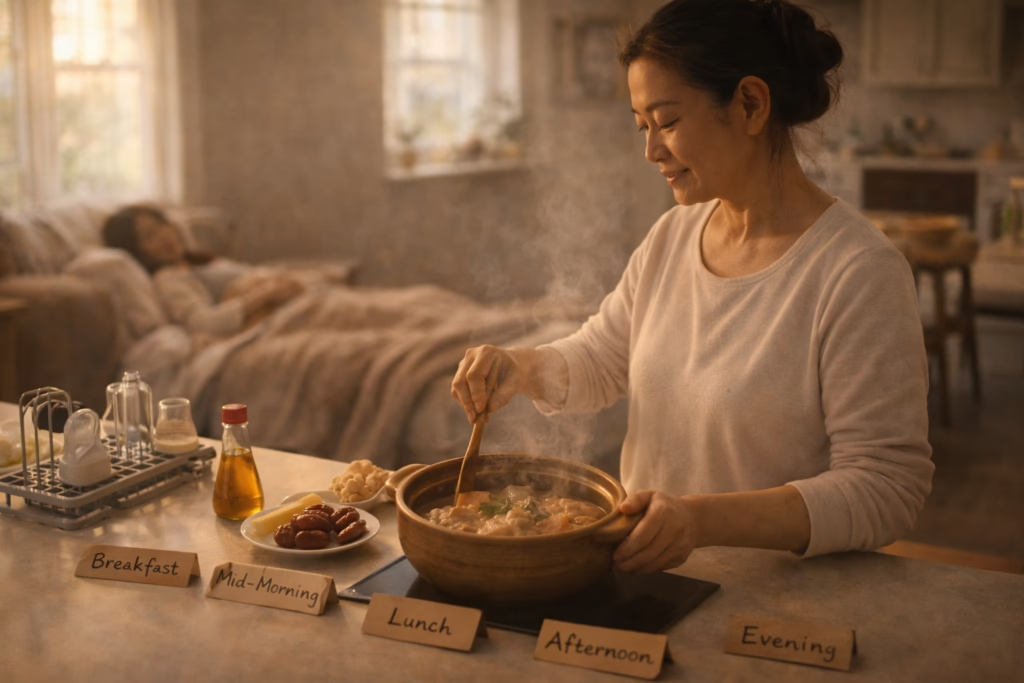
Every family’s schedule is different, but here is a representative 24-hour cycle that reflects how most of our placements work:
Overnight · 10 PM – 6 AM
The yue sao handles all overnight feeds, diaper changes, and soothing. For breastfeeding mothers, she brings the baby to you for nursing, then handles burping, changing, and settling. For formula or combination feeding, she manages everything independently. Parents sleep in 4–6 hour stretches.
Morning · 6 AM – 12 PM
She prepares a warm breakfast and mid-morning soup or tea. She bathes the baby, does baby laundry, and manages the morning feeding schedule. Parents rest, bond with the baby when energy allows, or handle light personal tasks.
Afternoon · 12 PM – 6 PM
Lunch is prepared. The yue sao continues newborn care, monitors feeding patterns, and may prepare ingredients for dinner. She serves an afternoon soup or snack. If visitors come, she can help manage the baby so parents can socialize.
Evening · 6 PM – 10 PM
Dinner is served — often the most substantial meal of the day. The yue sao handles the baby’s evening routine (bath, feeding, settling), cleans the kitchen, and prepares for the overnight shift. Parents have time for a shower, light activity, or uninterrupted rest before bed.
This schedule is customizable. Some families prefer the yue sao to focus more on daytime cooking and baby care while the parents handle some overnight feeds themselves. Others want maximum overnight coverage. We encourage families to discuss their ideal daily rhythm during the matching process so the yue sao arrives with aligned expectations.
How a Chinese Postpartum Nanny Differs from Other Postpartum Caregivers
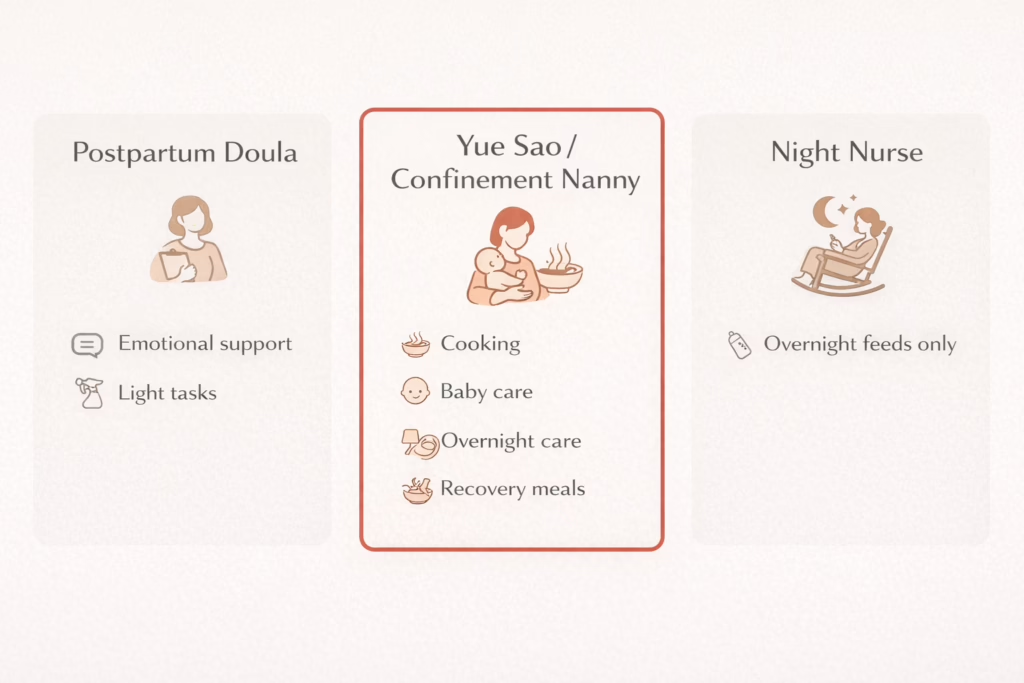
Families often ask how a yue sao compares to a postpartum doula, a night nurse, or a general nanny. The short answer: a yue sao combines elements of all three — but with a specialized focus on Chinese confinement recovery. Here is how they compare:
| Feature | Yue Sao | Postpartum Doula | Night Nurse | General Nanny |
|---|---|---|---|---|
| Live-in | Yes — 24/7 | No — visits only | Overnight only | Varies |
| Overnight newborn care | Yes — full coverage | No | Yes | Rarely |
| Confinement meal prep | Yes — 5–6 meals/day | No | No | No |
| Mother’s recovery support | Yes — physical + emotional | Yes — emotional focus | Limited | No |
| Breastfeeding guidance | Yes — practical support | Yes — education focus | Limited | No |
| Duration | 26–40+ days (live-in) | Weeks (visit-based) | Weeks–months (nightly) | Ongoing |
| Confinement expertise | Yes — trained in zuò yuè zi | No | No | No |
| Typical cost | $260–$390 per day | $25–$65/hour | $25–$45/hour | $18–$35/hour |
Some families combine services — for example, hiring a yue sao for the first 30 days and transitioning to a night nurse for the second month. For a detailed breakdown, see our guide on the difference between a doula and a confinement nanny.
Families who need ongoing childcare after the confinement period ends often transition from a yue sao to a Chinese-speaking nanny — a long-term caregiver focused on childcare and language immersion rather than postpartum recovery.
Write one natural sentence in the indicated spot using the anchor postpartum nanny services.
How the Hiring Process Works
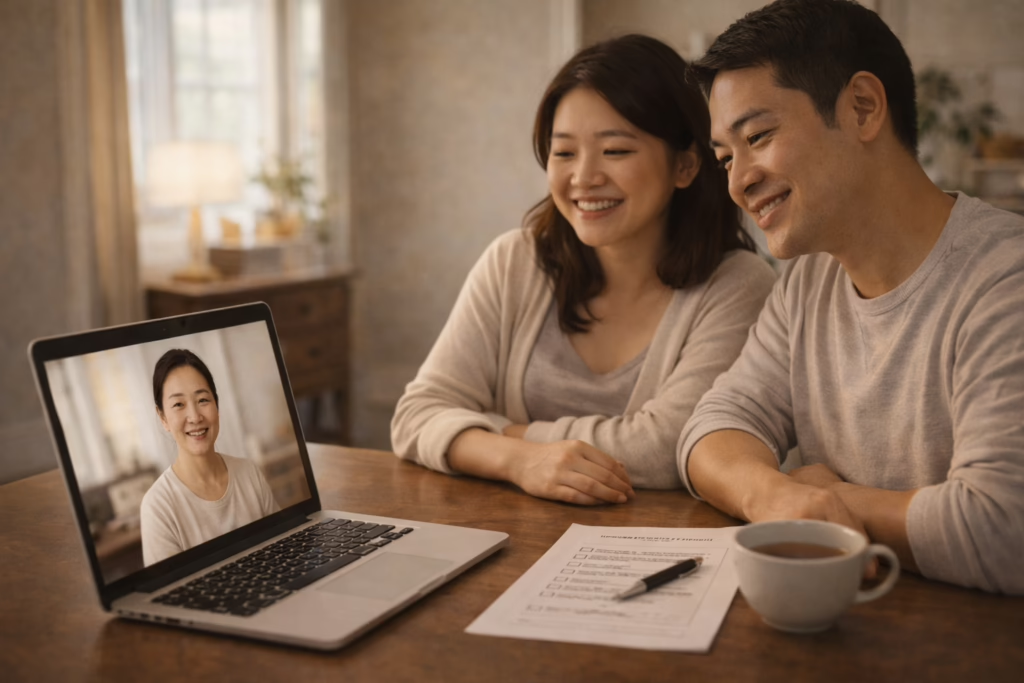
Hiring a Chinese postpartum nanny through My Asian Nanny follows a structured matching process designed to find the right fit for your family — not just the first available candidate.
1
Share your needs
Tell us your due date, location, duration preference (26, 40, or 60+ days), language needs, cultural preferences, and any specific requirements. You can do this through our online form, by phone at (626) 537-1191, or by emailing cs@myasiannanny.com.
2
Review matched candidates
We match you with experienced yue sao from our vetted network based on your timeline, location, and preferences. Most families receive 3–5 candidate profiles within one week. Each profile includes experience level, specialties, language abilities, and availability.
3
Interview and select
Interview your top candidates by phone or video call. Discuss daily routines, meal preferences, sleeping arrangements, and your expectations. This conversation ensures alignment before the nanny arrives.
4
Coordination and placement
Once you select your yue sao, we coordinate her arrival around your due date. Because babies arrive on their own schedule, we build flexibility into the placement timeline. If your baby comes early or late, we adjust accordingly.
The entire process typically takes 2–4 weeks from first contact to confirmed placement. Experienced yue sao book up quickly — especially during peak seasons (spring and fall). We strongly recommend starting 2–4 months before your due date to have the widest selection of candidates.
What a Chinese Postpartum Nanny Costs
In our California core market, a Chinese postpartum nanny typically costs between $260 and $390 per day for a live-in engagement. Most families book between 26 and 40 days. Pricing varies based on four main factors:
| Factor | How It Affects Pricing |
|---|---|
| Experience level | A yue sao with 5+ years of experience and hundreds of placements commands higher rates than someone newer to the field. More experience generally means faster problem-solving, calmer demeanor, and broader skills. |
| Location | Rates vary by metro area and state. California placements (especially Bay Area and LA) tend to be at the higher end. Nationwide placements may vary depending on local cost of living and travel requirements. |
| Duration | 26 days covers basic postpartum recovery. 40 days covers the full traditional confinement period. 60+ days is recommended for C-section recovery or families who want extended support. Longer engagements cost more but offer a lower per-day rate. |
| Scope of care | Whether the yue sao prepares full confinement meals (5–6 per day from scratch) or focuses primarily on newborn care affects total cost. Full confinement meal preparation requires significant time, skill, and ingredient sourcing. |
For a detailed cost breakdown with real pricing examples, see our confinement nanny cost guide. We also offer an interactive postpartum care cost calculator to help you estimate your total investment.
Our detailed guide to what a Chinese postpartum nanny costs covers packages, add-ons, and regional ranges.
Our Pricing Commitment
My Asian Nanny’s referral fees are competitive with or lower than comparable agencies in our service areas. Multiple families in our reviews specifically mention that our pricing was “very reasonable” compared to other agencies they evaluated. We are transparent about costs from the first conversation — no hidden fees, no surprises.
Ready to See Pricing for Your Family?
Share your due date, location, and care preferences. We send you a personalized cost estimate along with candidate profiles — usually within one week.
Who Hires a Chinese Postpartum Nanny?
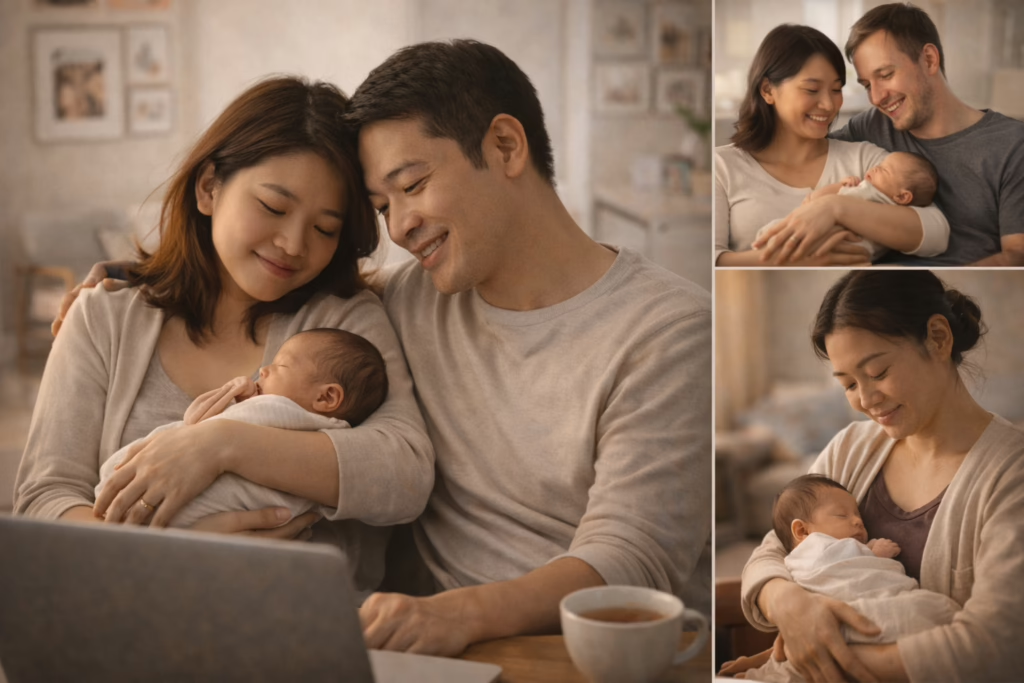
Over the past decade, we have placed confinement nannies with a wide range of families. There is no single “type” of family that hires a yue sao — but certain situations make the investment especially valuable:
First-time parents
Who want experienced, hands-on guidance during the steepest part of the learning curve. A yue sao has cared for hundreds of newborns — she can teach you feeding techniques, soothing methods, and sleep patterns in real time.
C-section or complicated recovery
Where the mother needs extended physical recovery time and cannot handle overnight care independently. The live-in model means she never has to push through pain to tend to the baby at 3 AM.
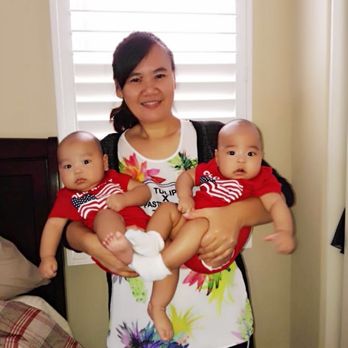
Parents of twins or multiples
Who need an extra set of experienced hands to manage the demands of caring for more than one newborn simultaneously. Two babies means double the feeds, diapers, and wake-ups.
Second- or third-time parents
Who learned from their first experience how much a difference professional postpartum support makes — and want it from day one this time around.
Traditional confinement families
Who want the full zuò yuè zi experience with confinement meals, warming practices, and structured rest following Chinese postpartum traditions.
Non-Chinese families
Who have researched confinement care and want the structure, expertise, and overnight support that a yue sao provides — regardless of cultural background.
Good to Know
You do not need to be Chinese to hire a yue sao. My Asian Nanny is a referral agency — we match families of all backgrounds with experienced confinement nannies based on needs, preferences, and timeline. Many of our placements are with mixed-culture and non-Chinese families who value the depth of postpartum expertise a yue sao provides.
Not sure if we cover your area? See postpartum nanny near you for our full coverage map.
Frequently Asked Questions About Chinese Postpartum Nannies
How long do most families hire a yue sao?
Most families hire a yue sao for 26 days (basic postpartum recovery) or 40 days (the full traditional confinement period). Some families extend to 60 or more days, especially after a C-section or when they want continued overnight support. You can start with a shorter booking and extend if needed — our team coordinates extensions with your nanny’s availability. For more guidance, see our article on how long to hire a confinement nanny.
Does the yue sao live in our home?
Yes. The standard model is live-in care — the yue sao stays in your home 24/7 for the duration of the placement. She typically needs a private or semi-private sleeping area near the baby. This live-in arrangement is what enables full overnight coverage and round-the-clock availability. On her scheduled rest days (typically one day per week), she may leave the home or rest in her room — families arrange their own care for those periods.
Can I hire a yue sao if I am not Chinese?
Yes. My Asian Nanny matches families of all cultural backgrounds with experienced yue sao. While the confinement nanny tradition is rooted in Chinese culture, the care itself — 24/7 newborn support, overnight coverage, nutritious meal preparation, and maternal recovery — is universally valuable. Many of our non-Chinese families specifically seek out yue sao for the depth of postpartum expertise and the structured support model.
What if my yue sao and I disagree about how to care for the baby?
This is something to discuss during the interview and matching process — before the nanny arrives. Topics like feeding preferences (breast, bottle, or combination), sleeping arrangements, visitor policies, and confinement strictness should all be aligned upfront. An experienced yue sao will follow your lead as the parent while offering her perspective when asked. If a significant disagreement arises during the placement, our team is available to mediate and find a resolution.
Will a yue sao help with my older child?
No. A yue sao’s role is exclusively newborn care and mother’s recovery. Caring for older children would divide her attention and reduce the quality of newborn care. If you need help with older children during the confinement period, we recommend arranging a separate caregiver. My Asian Nanny offers nanny placement services that can help with this.
How far in advance should I book?
We recommend starting the process 2–4 months before your due date. Experienced yue sao book up quickly, especially during peak birth seasons (spring and fall). Starting early gives you the widest selection of candidates and time for thorough interviews. Last-minute matches are sometimes possible, but the candidate pool will be smaller.
What is My Asian Nanny’s replacement guarantee?
We offer a 60–90 day replacement guarantee — 60 days for placements within California and 90 days for out-of-state placements. If for any reason the placement does not work out within this period, we will match you with a new candidate at no additional referral fee. This guarantee exists because your peace of mind matters — and because we are confident in the quality of our placements.
Chinese Postpartum Nannies (Yue Sao) by City
Our Chinese postpartum nannies serve families nationwide. See local availability in popular metros:
- Chinese postpartum nanny in New York City
- Chinese postpartum nanny in San Francisco
- Chinese postpartum nanny in Los Angeles
- Chinese postpartum nanny in Houston
- Chinese postpartum nanny in Dallas
- Chinese postpartum nanny in Seattle
- Chinese postpartum nanny in Boston
- Chinese postpartum nanny in Atlanta
- Chinese postpartum nanny in Honolulu
- See all service areas →
Your Family Deserves Real Support — Not Just Advice
Reading guides and watching videos can prepare you mentally for postpartum life. But no article replaces having a skilled, experienced person in your home — handling overnight feeds at 3 AM, preparing warm meals, monitoring your baby’s health, and giving you permission to rest. That is what a Chinese postpartum nanny provides.
Over the past decade, we have watched this investment change how families experience the first month of parenthood. Not just survive it — but actually recover, bond, and begin parenting from a place of rest rather than exhaustion.
If you are expecting, or if someone you love is, this is worth exploring. The matching process takes about 15 minutes to start. The team is responsive. And the 60–90 day replacement guarantee means your peace of mind is protected from day one.
Start Your Matching Process Today
Share your due date, location, and preferences. We match you with experienced, background-checked yue sao — most families receive candidate profiles within one week. 60-90 day replacement guarantee. California + 18 states.
What Families Are Saying
Real reviews from Google and Yelp — trusted by 1,000+ families since 2011